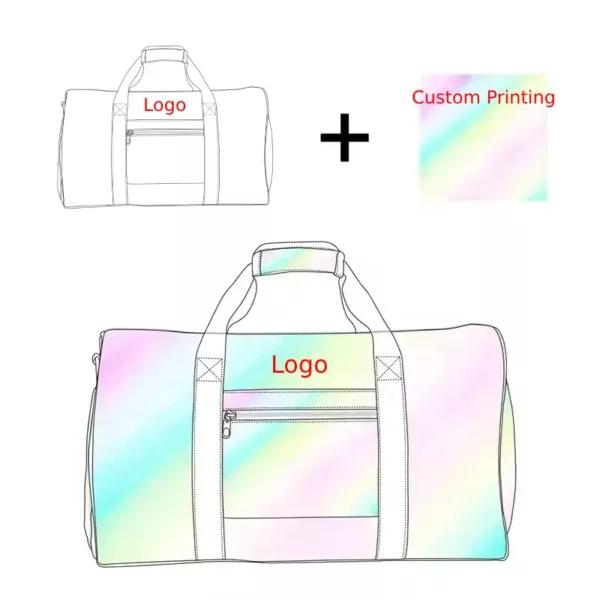
New Product Waterproof Reasonable Price Travel Waterproof Duffel Bag Yoga Zipper Quilted Duffle Bag
LB-2429 · Polyester & Nylon
Duffel, gym and weekend travel bags in waterproof oxford and nylon. Heavy-duty zippers, multi-pocket layouts and custom logo placement for gyms, teams and travel retail.
Low MOQs — contact us · OEM/ODM accepted · [email protected]
LB-2429 · Polyester & Nylon
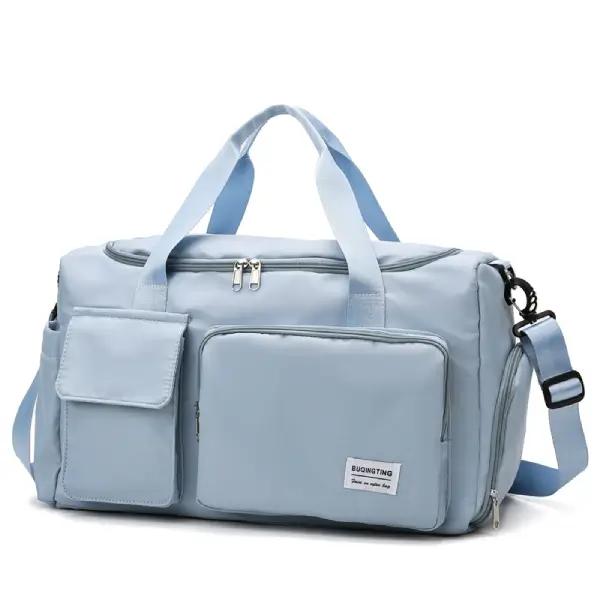
LB-4105 · Polyester & Nylon
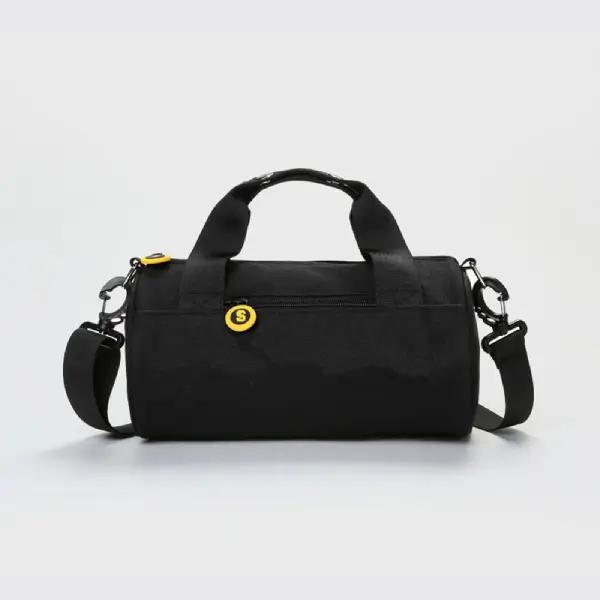
LB-4132 · Polyester & Nylon
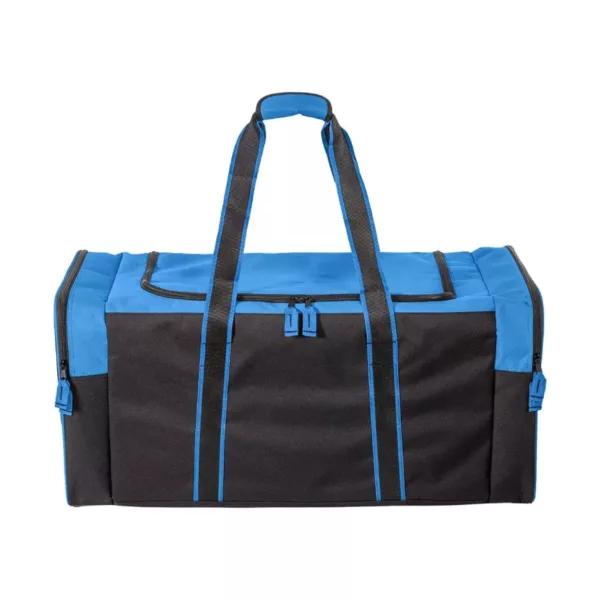
LB-5683 · Polyester & Nylon
Gym duffels, weekend overnight bags and sports equipment duffels built in waterproof nylon and polyester. As a travel bag supplier we cover both stock models (ready-to-ship in 24–48 hours, mixed styles) and custom builds with your logo, materials and dimensions.
Waterproof options by build: PU/PVC coating from 3,000 mm hydrostatic head, TPU lamination from 10,000 mm, plus heat-welded seams, waterproof zippers and roll-top closures for wet-compartment designs.
Contact us for per-model MOQ. Small batches ship express (DHL/FedEx/UPS/TNT) door-to-door in 5–7 working days; sea freight 40–45 days for full-volume orders. Payment by T/T, L/C, D/P & D/A, PayPal and more.
Quote this category with your target quantity, logo process and colors. See wholesale terms.
Duffel bags wholesale buyers face a wider material spread than almost any other bag category. A gym duffel and a travel duffel can look similar in a thumbnail but behave completely differently in use. The shell fabric, lining, base panel, and strap attachment all change how the bag survives loading, abrasion, and moisture. Most sourcing managers start by asking about denier. That's a yarn density unit, not a finished-fabric strength rating. Two 600D fabrics can feel nothing alike if their weaves, coatings, and backings differ.
Say you're buying custom duffel bags bulk for a fitness brand. Your end user throws a wet towel inside after every session. The shell needs to shed water, but the interior sees constant humidity. A coated polyester shell with a wipe-clean liner might be the right call. Polyester is dimensionally stable and widely printable. It holds screen-printed logos well. But a coated polyester body can crack at the fold lines after repeated packing if the coating weight is too light for the panel size. Ask your duffel bag manufacturer to show you the coating weight, not just the denier.
A buyer sourcing premium travel duffels for a luggage brand will likely push toward nylon. Nylon offers high strength-to-weight performance and good abrasion resistance. It takes coatings well and can be laminated for water resistance. The tradeoff is cost and sometimes a slicker hand feel that brands may or may not want. Canvas sits at the opposite end. It's a durable plain-woven fabric, commonly cotton or a blend. Canvas gives structure and texture. It ages visibly, which some brands want and others avoid. It also absorbs moisture unless treated, so it's a poor fit for gym or wet-weather use.
| Material | Good for | Where it fails |
|---|---|---|
| Coated polyester | Gym duffels, promotional bags, printed logos, budget-conscious bulk orders | Can crack at fold lines if coating weight is too low; lower abrasion resistance than nylon |
| Nylon | Travel duffels, premium gear, high-abrasion environments, laminated waterproof builds | Higher cost; slicker hand feel may not suit all brand identities |
| Canvas | Weekender bags, heritage brands, structured silhouettes, visible texture | Absorbs moisture unless treated; heavier when wet; slower to dry |
| Ripstop fabric | Lightweight travel duffels, packable designs, tear-prone stress points | Grid texture may not suit smooth-surface printing; less structure without backing |
| Synthetic leather | Trim, handles, accent panels, premium visual detail | Surface consistency varies by supplier; edge treatment and colorfastness need control |
Lamination changes the conversation entirely. A laminated duffel bonds two or more layers to combine appearance, structure, and barrier performance. A thermoplastic polyurethane film can create a waterproof laminate or a welded construction. This is not the same as a coated fabric. Welded seams replace stitching in critical zones. The bag becomes harder to produce and slower to sew, but it performs differently in rain and spills. You pay for that in tooling time and unit cost.
Padding and reinforcement matter more than many buyers expect. Closed-cell foam adds structure and impact cushioning without absorbing much moisture. Expanded polyethylene foam is a lightweight closed-cell option commonly used in cooler bags and protective panels. In a duffel, it can stiffen the base or side panels so the bag doesn't collapse when empty. A reinforcement patch at the strap anchor and grab handle zones is non-negotiable. These areas receive repeated peak loads. Without a patch, the seam fails first.
The same factory can build an entry-level gym duffel and a premium travel duffel. The specification decisions diverge early. A buyer who ignores this ends up with a bag that's overbuilt for the price point or underbuilt for the use case. Here are three situations that show how the choices change.
First, a promotional products buyer ordering 5,000 gym duffels for a corporate giveaway. This buyer cares about landed cost per unit and logo visibility. The spec should prioritize a stable polyester shell, a simple U-shaped opening, and a screen-printed logo panel. Skip the hip belt, skip the load lifters, skip the welded construction. Those features add cost without adding perceived value for a giveaway. But don't skip the base reinforcement. A giveaway duffel still gets set on concrete parking lots and airport floors. A thin unlined base will abrade through within months. Specify a plastic board or a double-layer base panel. That's a small cost increase that prevents visible failure.
Second, a fitness brand selling a gym-to-work duffel at retail. This buyer needs the bag to hold shape on a shelf and survive daily use. The shell might be a coated polyester with a semi-structured body. Foam, board, or laminated panels create shape without a full load-bearing frame. The shoulder strap needs to follow the body without creating neck pressure or edge concentration. That means the strap anchor placement matters, not just the strap width. The interior needs a wipe-clean liner, because gym clothes are wet. A polyethylene vinyl acetate film is a flexible option for cleanable liners. The zipper needs to be the right opening length for the main compartment. Too short, and the user can't see into the bag. Too long, and the bag loses structure when open.
Third, a travel gear brand developing a carry-on duffel with a luggage pass-through. This buyer faces the hardest spec. The bag must fit airline size limits, hold a laptop, and transfer load comfortably when carried by hand or shoulder. The capacity is expressed in liters, but the measured method matters. Two bags can claim 35L and pack very differently. The opening length, pocket opening, and handle drop all need definition before production. The handle drop is the vertical distance from the top of the bag to the inside top of the handle grip. Get this wrong, and the bag drags on the ground when carried by hand. The back panel may include a luggage sleeve, but that sleeve needs reinforcement at the top and bottom. A sleeve that sags after three trips is a return driver.
One more situation worth naming: a buyer sourcing custom duffel bags bulk for a sports team or club. This buyer often wants a specific size, a specific color match, and a large embroidered logo. The Pantone reference is only the start. Colorfastness matters because team bags sit in sunlight and get rubbed against gym floors. The fabric count, yarn size, and weave all affect how the color reads on the finished panel. A buyer who only approves a Pantone chip and never sees a fabric swatch is gambling.
Not all customization is equal. Some changes are purely cosmetic and barely affect the production schedule. Others require new tooling, new patterns, or new hardware. Knowing the difference helps you budget and avoids surprises when the quote comes back higher than expected.
Logo application usually sits on the lighter end. Screen printing, embroidery, and heat transfer all add setup time but don't change the bag's structure. Embroidery on a thick canvas duffel can be slower than on a polyester shell, but the pattern stays the same. A woven label or a hang tag is even simpler. These are decoration changes. They don't alter the cutting, sewing, or assembly sequence. The MOQ for logo techniques varies, but the bag itself remains the same bag.
Changing the shell fabric is a bigger deal. If you move from a coated polyester to a laminated nylon, the entire construction sequence changes. The seam allowances may need to shift. The needle type and thread tension change. The welding equipment may need different settings. The pattern pieces stay the same shape, but the bag is no longer the same product. Expect longer lead time and a higher unit cost. The same goes for adding a frame sheet or internal stays. These are structural elements that require new cutting dies and new assembly steps. A duffel that was frameless becomes a different product once you add a semi-rigid back panel.
Hardware changes are the sneaky ones. A buyer swaps a plastic buckle for a metal one and assumes it's a simple swap. It's not. The strap width may need to change to fit the new buckle. The webbing thickness changes. The stitch density at the anchor point changes. The cost per unit jumps, and the lead time extends because the metal hardware may have a longer procurement cycle. The same logic applies to zippers. A waterproof zipper is not just a zipper with a coating. It changes the opening construction, the seam sealing, and the testing protocol.
What doesn't change tooling? Adding a small internal pocket, changing the liner color, adjusting the strap length range, or adding a hang tag. These are pattern tweaks or accessory changes. They don't require new dies or new machinery. They might add a day or two to the sampling process, but they won't blow up the production schedule. A good duffel bag manufacturer will tell you which bucket your change falls into before you commit. If they don't, ask.
For a sense of how these tradeoffs play out in a real product, look at the LB-2429 duffel or the LB-4105 duffel. Both are duffels, but their construction choices lead to different price points and lead times.
Pre-production approval is where most duffel bag problems get caught or missed. You can't inspect quality into a bag after it's sewn. You inspect the spec, the sample, and the test report before the cutting starts. Here's what to check.
First, the dimension diagram. The reference points for height, width, and depth must be defined. A duffel with a curved top panel can be measured three different ways and get three different numbers. The opening length matters more than the overall width. If the zipper opening is too short for the intended use, the bag is unusable even if every other dimension is correct. Check the handle drop. Check the shoulder strap length range. These are the dimensions buyers forget to verify on the pre-production sample.
Second, the material spec. The shell fabric needs a defined weight, weave, coating, and finish. The approved color needs a reference, not just a Pantone number. The lining, the foam thickness, and the reinforcement patches all need to be on the bill of materials. If the spec says "closed-cell foam" without a thickness, you haven't specified anything. Foam thickness is measured under a stated pressure and conditioning state. Two foams with the same nominal thickness can feel completely different.
Third, the performance tests. If you're claiming water resistance, the test method and acceptance limit need to be written down. Does it mean the fabric resists water penetration at a stated pressure? Does it mean the bag survives a spray test? These are different claims. A buyer who writes "water-resistant" on a purchase order without a test method is inviting a dispute. The same applies to colorfastness. If the bag will sit in sunlight, specify the light exposure test and the acceptance limit. If it will be rubbed against gym floors, specify the crocking test.
Fourth, the seam and reinforcement details. The stitch density, seam type, and seam allowance need to be on the pattern. The strap anchors, grab handles, and base seams get repeated peak loads. A box-X reinforcement at the strap anchor is standard, but the stitch count and thread type still need definition. The base panel needs a specified construction. If it's a plastic board, what thickness? If it's a double-layer fabric, what's the second layer? These details are invisible in a photo but obvious after three months of use.
Finally, check the packing method. A duffel that ships flat saves freight but may arrive creased. A duffel that ships stuffed with shape-control inserts costs more to pack but looks better on arrival. The carton quantity and carton marks need to match your warehouse receiving process. If your 3PL scans carton barcodes, the marks need to be in the right place. This sounds trivial. It's not. A full container of duffels with unreadable carton marks is a receiving nightmare.
The pre-production sample is your last chance to catch these issues before the cutting starts. Approve it against the written spec, not against your memory of the sales conversation. If the sample and the spec disagree, the spec wins. That's the document your duffel bag manufacturer will build against. For more category-specific guidance, see the LB-4132 duffel or the LB-5683 duffel.