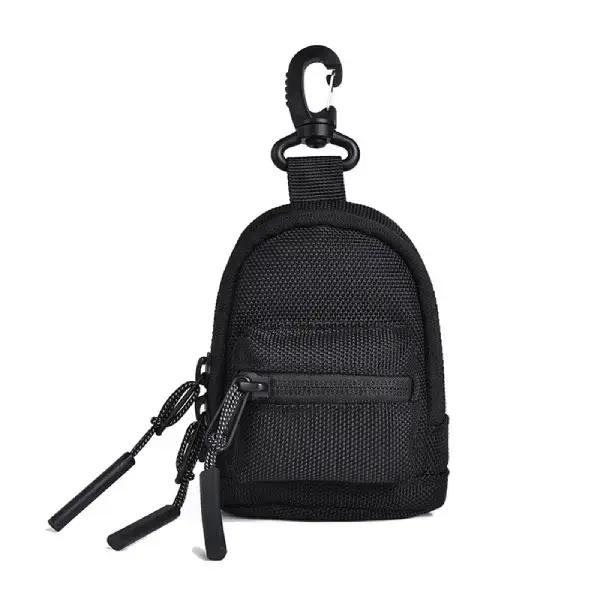
New mini headphone bag hanging bag Fashion brand personality purse summer outdoor card bag crossbody bag
A-4321 · Polyester & Nylon
Small leather goods and accessory pouches: drawstring bags, card cases, bifold wallets, jewelry organizers and tech pouches. Common add-on lines for handbag and fashion brands.
Low MOQs — contact us · OEM/ODM accepted · [email protected]
A-4321 · Polyester & Nylon
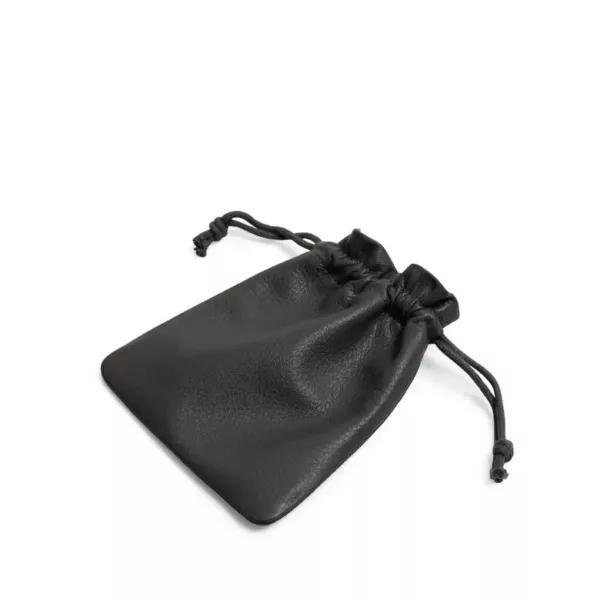
A-5750 · Leather & PU
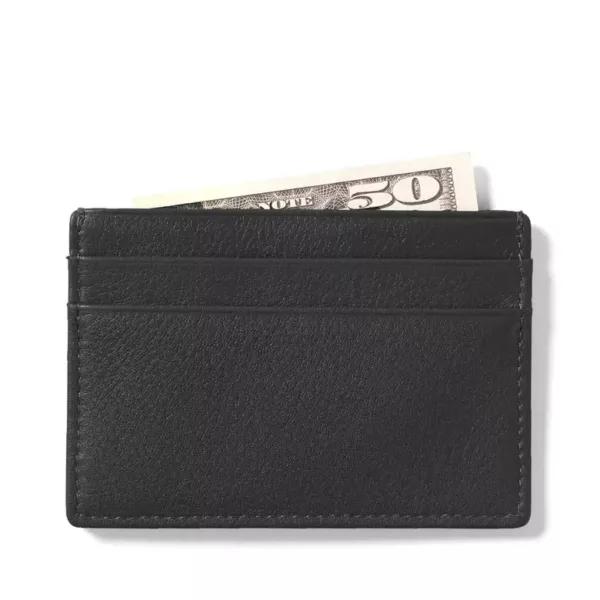
A-5755 · Leather & PU
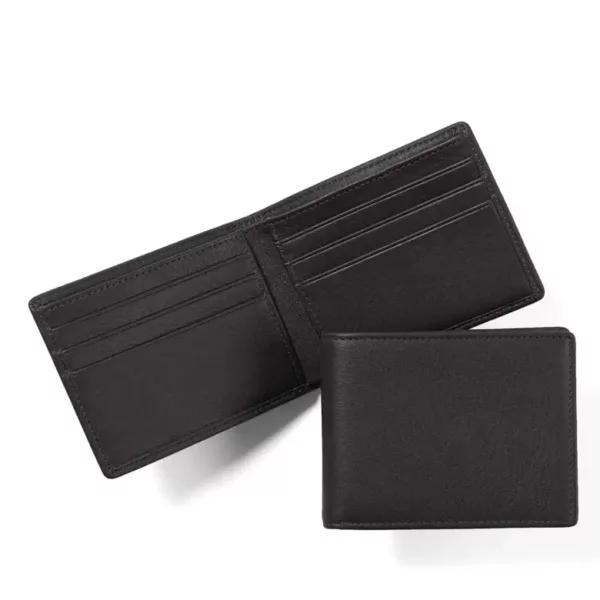
A-5764 · Leather & PU
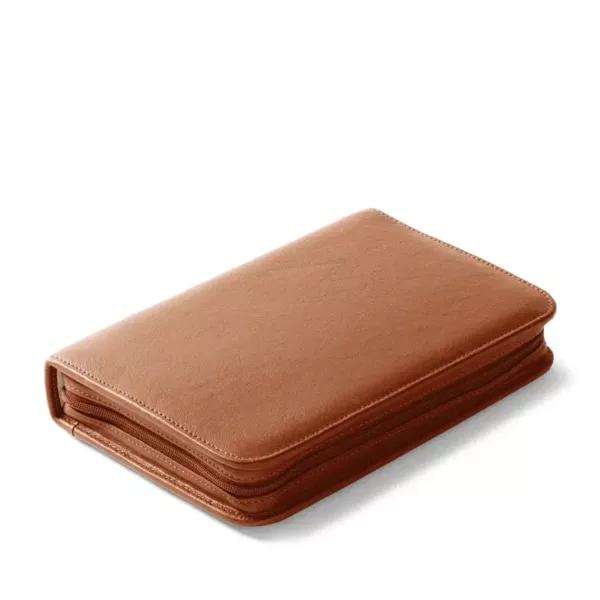
A-5772 · Leather & PU
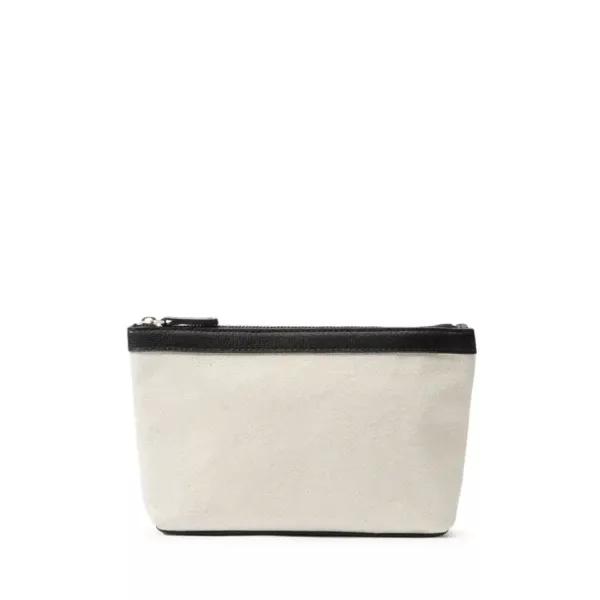
A-5933 · Canvas & Cotton
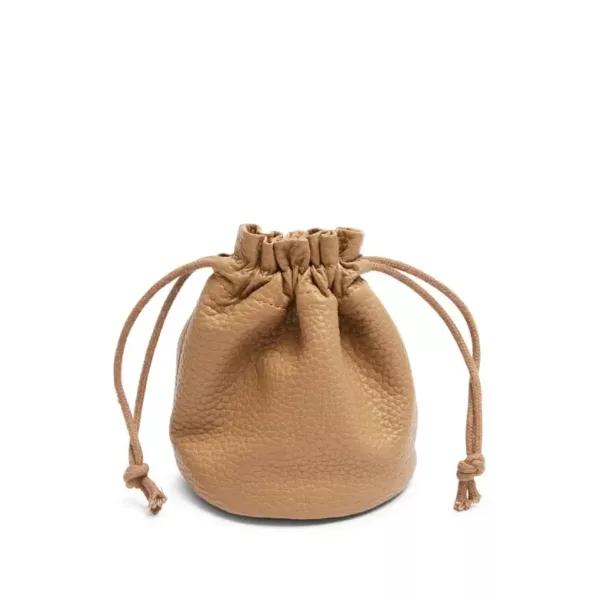
A-5939 · Leather & PU
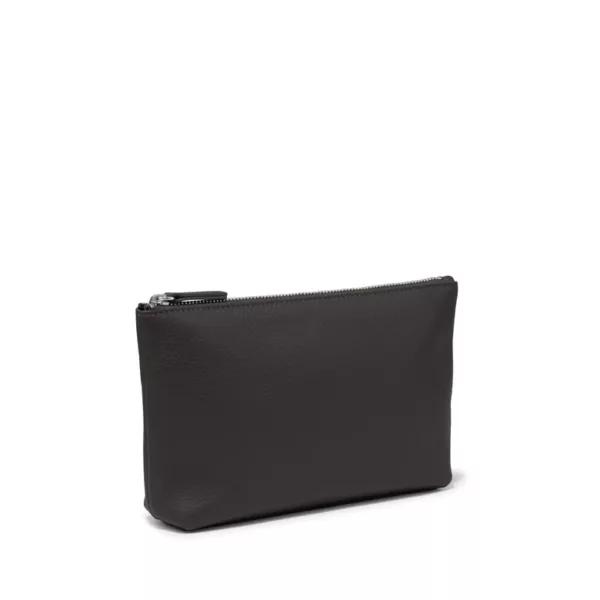
A-5953 · Leather & PU
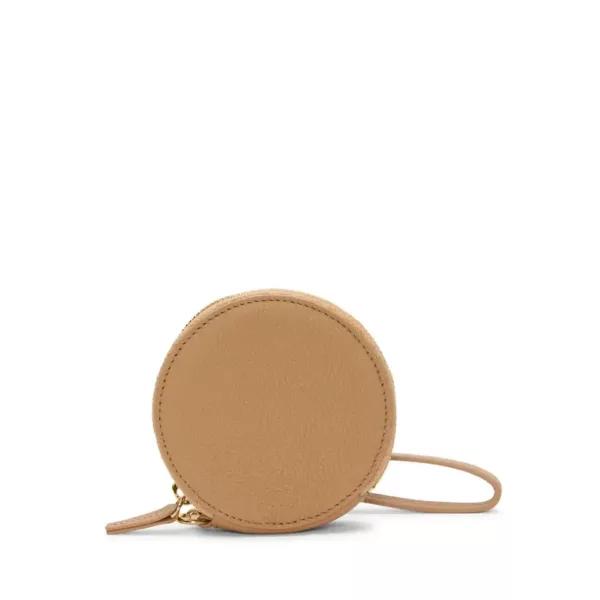
A-5997 · Leather & PU
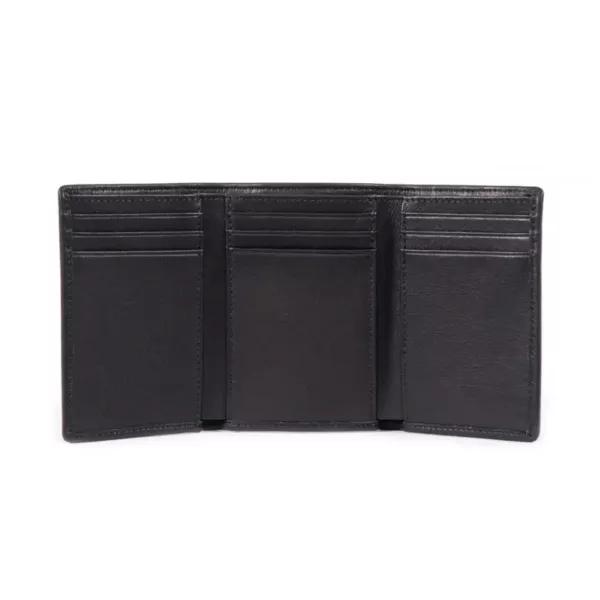
A-6011 · Leather & PU
Quote this category with your target quantity, logo process and colors. See wholesale terms.
Say you're comparing two wholesale cosmetic pouches side by side. Both are the same size, both have a zip, both print well. The difference is what they're made from and how the seams are finished. That difference decides whether the pouch survives a leak, holds its shape on a shelf, or gets returned because the lining cracked in cold weather. We think about materials before anything else.
Most buyers start with a shell fabric, then add a coating, a lining, or a foam layer. The shell gives the pouch its look and basic strength. The coating decides how it handles moisture. The lining decides how easy it is to clean inside. This matters a lot for makeup pouches wholesale, where a spilled foundation or loose powder is a normal day. A stitched bag can still work if you add a removable waterproof insert. A welded or sealed seam is a different product entirely.
Here's how the realistic choices compare for this category.
| Material | What it is good for | Where it fails |
|---|---|---|
| Polyester fabric | Stable shape, wide print range, many recycled options, good color control | Can feel stiff in heavy weights; coating choice decides water resistance |
| Nylon fabric | High strength to weight, soft hand, good abrasion resistance | Stretches more under load; UV performance varies by coating |
| Canvas | Durable texture, premium hand feel, strong shelf presence | Heavier, slower to dry, needs a liner for liquid contact |
| Cotton duck | Smooth firm face, tight weave, good for structured pouches | Limited stretch, absorbs moisture unless treated |
| Synthetic leather | Leather-like surface, easy wipe-clean, consistent finish | Can crack at fold lines, temperature-sensitive, heavier than fabric |
| Transparent film | Visibility, wipe-clean, good for travel organizers and clear pockets | Scratches, shows fingerprints, limited structural strength alone |
| Mesh | Ventilation, visibility, stretch pockets, lightweight organization | No liquid containment, snags on sharp tools |
A buyer who wants wholesale canvas pouches for a gift set will choose differently from one who wants a clear travel pouch for airport security. The canvas buyer cares about texture and print. The clear pouch buyer cares about film thickness and how the zip is welded. Both are right, but the specifications aren't interchangeable.
Coating changes everything. A polyurethane coating improves water resistance and hand feel. A polyvinyl chloride coating adds stiffness and strong moisture resistance. That's why it shows up in tool wraps and heavy-use pouches. Thermoplastic polyurethane film is the one to ask about when you need a waterproof laminate or a welded construction. And if the pouch is for wet or messy use, a drainage eyelet is a small detail that saves the product. It lets water escape from a washable compartment instead of pooling in the corner.
A pouch manufacturer hears the same sentence every week: "I need a pouch." Then the real questions start. Here are three situations that change the specification in ways that actually matter for bag accessories wholesale.
The beauty brand doing a promotional gift. This buyer wants wholesale cosmetic pouches in a specific Pantone shade. They want a woven label inside and a hang tag outside. The pouch will hold a lipstick, a mini mascara, and a mirror. The spec that matters most is the lining. A smooth coated or film-based inner surface is easier to wipe clean. It shows less staining from loose powder. The shell can be polyester for print quality. The buyer should specify a wipe-clean lining, not a raw fabric interior. They should also ask for a sample with the actual product inside. A pouch that looks right empty can be too tight or too floppy once the three items are in it.
The outdoor retailer building a repair kit pouch. This buyer needs a small pouch that sits in a backpack and holds a multitool, patches, and a spare valve. The spec decisions are about abrasion and moisture. Nylon fabric with a PU coating is a strong starting point. It handles abrasion and recovers from stretch. But the seams are the weak point. A stitched seam will delay a spill, not stop it. If the kit must survive a wet tent floor, the buyer should specify welded or sealed seams. Or accept a removable insert. A drainage eyelet is also worth considering if the pouch is used for wet items that get rinsed.
The stationery or gift company scaling from Etsy to wholesale. This buyer wants wholesale canvas pouches with a simple screen print and a brass zip. They've sold hundreds on their own site. Now they need five hundred units with consistent quality. The spec that changes is the fabric count and the zip pull. Canvas weight is one thing. The tightness of the weave decides how the print sits and how the pouch holds its shape after a year of use. The zip pull should be specified as metal or molded plastic, not just "zip." A buyer who skips this detail gets a pouch that looks right in the photo and feels wrong in the hand.
Not all customization is equal. Some changes are just a line on the order form. Others mean new tooling, new testing, and a longer wait. Here's the honest split for this category.
Customization that does not change tooling includes print placement, color matching to a Pantone reference, adding a woven label or hang tag, and choosing a zip pull from existing options. These are specification changes, not manufacturing changes. They affect cost per unit but not the production line setup.
Customization that changes tooling includes a new zip length with a custom slider shape, a molded rubber or metal badge, a custom buckle or hook, and any welded construction that requires a new die or jig. These changes mean a tooling fee and a longer lead time. A buyer who wants a custom-shaped clear window in a pouch should expect a die charge. A buyer who wants a standard rectangular window does not.
Lead time moves in two ways. A new material that the factory has never run before adds time for sourcing and testing. A new seam construction, like switching from stitched to welded, adds time for fixture setup and leak testing. The smart move is to ask the pouch manufacturer which changes are "line items" and which are "tooling items" before you lock the spec. We're happy to tell you, because surprises after sampling are expensive for everyone.
Some of our accessory stock items, like A-5772 and A-5939, show how standard construction options look in practice. They give you a baseline for what a no-tooling order can achieve before you add custom details.
Approving a pre-production sample is not the same as approving the product. You're approving the reference that the factory will match in bulk. Here's what to check for this category, drawn from how we inspect pouches and accessories.
First, check the seams under tension. Pull the pouch open wider than it will be used. Look at the stitch line near the zip ends and the gusset corners. That's where stress concentrates. A reinforcement patch at a high-stress attachment is not optional for a pouch that gets yanked open daily. Ask for a patch or bar tack at the zip stops.
Second, check the lining and coating. Rub the lining with a damp cloth and see if color transfers. Check the corners for pinholes where the coating may have cracked during turning. A clear film pocket should be checked for scratches and for how it's attached. If the film is stitched too close to the edge, it will tear under repeated use.
Third, control your performance claims. If you plan to call a pouch "leakproof," that's a tested claim under stated conditions. "Leak-resistant" is a different claim and easier to support. A stitched pouch with a coated lining is leak-resistant. A welded pouch with TPU film may be leakproof, but only if you have a test report that says so under the conditions you specify. Don't let a catalog description promise more than the construction can deliver. A buyer who sells a "leakproof" pouch that leaks on a customer has a return problem, and so do we.
Finally, check the hardware. Zips, pulls, hooks, and D-rings should be from the same batch as the sample. Color on metal parts can shift between batches. Ask for the hardware to be included in the pre-production sample, not substituted later. For buyers looking at full-category options, our wholesale page and items like A-5933 and A-4321 show how we keep hardware consistent across orders. The goal is simple: the pouch you approve is the pouch your customer receives, every time.