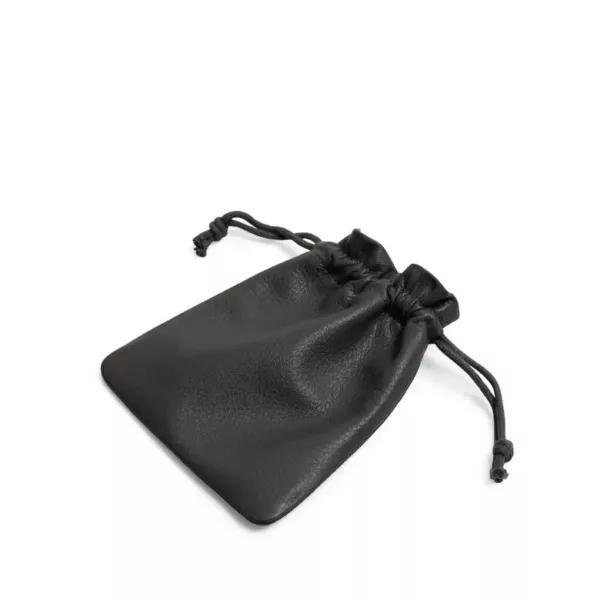
Flat Drawstring Pouch
SKU A-5750
| Tag | PU/Leather |
|---|---|
| Product Number | A-5750 |
| Category | Accessory |
| Material | Full grain leather, Tan microsuede lining |
| Dimensions | 4.5″ W x 5.4″ H | 11.4cm x 13.7cm |
Camytonc · 10 models
Leather & PU Pouches built to your spec. Every model below is a real factory record — material, dimensions and hardware as produced. Send a SKU number or your own tech pack for a quote.
SKU A-5750
| Tag | PU/Leather |
|---|---|
| Product Number | A-5750 |
| Category | Accessory |
| Material | Full grain leather, Tan microsuede lining |
| Dimensions | 4.5″ W x 5.4″ H | 11.4cm x 13.7cm |
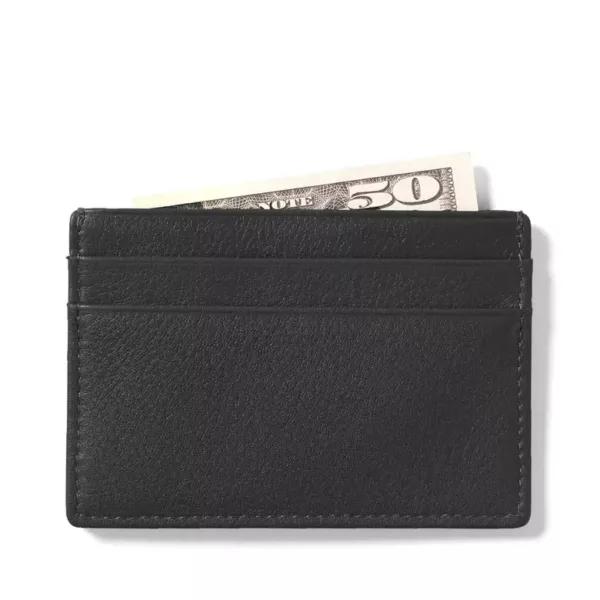
SKU A-5755
| Tag | PU/Leather |
|---|---|
| Product Number | A-5755 |
| Category | Accessory |
| Material | Full grain leather, Fabric lining |
| Dimensions | 2.75″H x 4″W x 0.125″D | 7cm x 10.2 x .3cm |
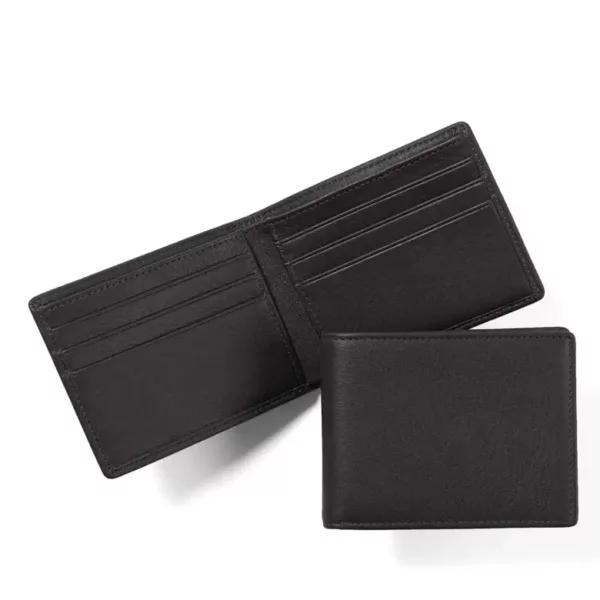
SKU A-5764
| Tag | PU/Leather |
|---|---|
| Product Number | A-5764 |
| Category | Accessory |
| Material | Full grain leather,Fabric lining |
| Dimensions | 3.4″H x 4.15″W x 0.5″D | 8.6cm x 10.5cm x 1.3cm |
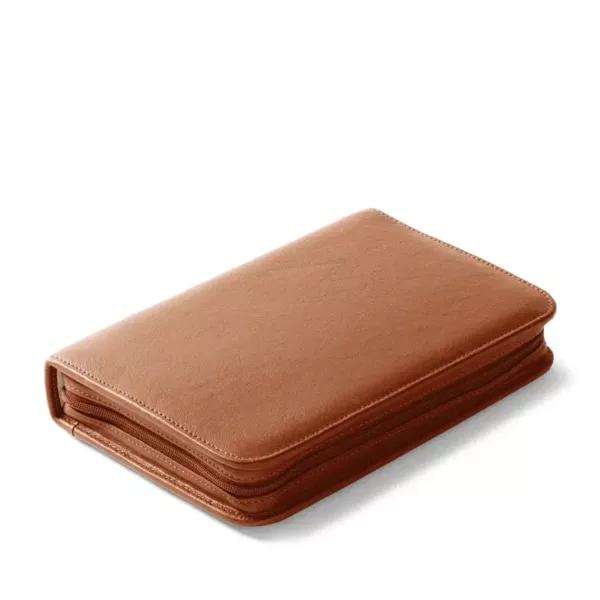
SKU A-5772
| Tag | PU/Leather |
|---|---|
| Product Number | A-5772 |
| Category | Accessory |
| Material | Full grain leather,Light gold hardware |
| Dimensions | 4″ W x 2″ H x 3.2″ D | 10.2cm x 5.1cm x 8.1cm |
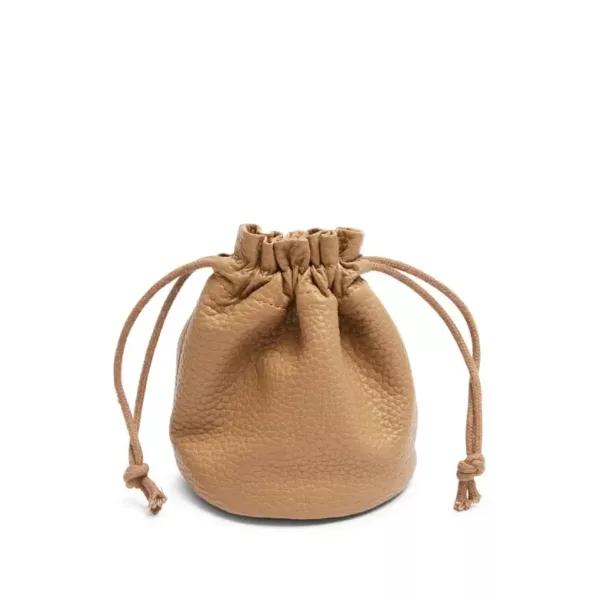
SKU A-5939
| Tag | PU/Leather |
|---|---|
| Product Number | A-5939 |
| Category | Accessory |
| Material | Full grain leather,Tan microsuede lining |
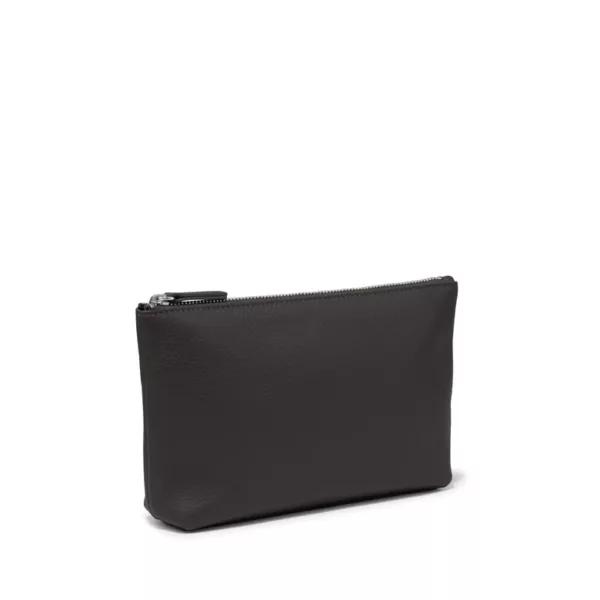
SKU A-5953
| Tag | PU/Leather |
|---|---|
| Product Number | A-5953 |
| Category | Accessory |
| Material | Full grain leather,Tan microsuede lining |
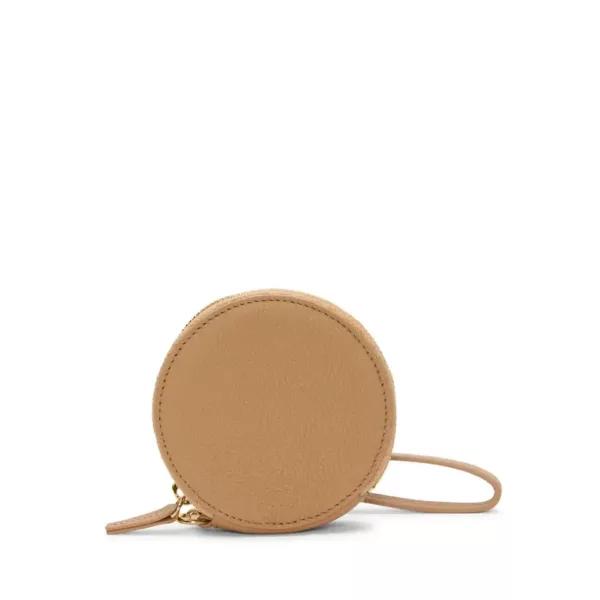
SKU A-5997
| Tag | PU/Leather |
|---|---|
| Product Number | A-5997 |
| Category | Accessory |
| Material | Full grain leather,Light gold hardware |
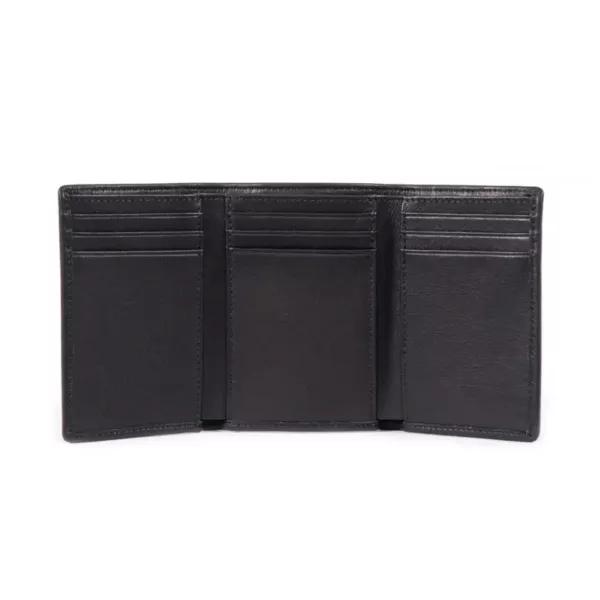
SKU A-6011
| Tag | PU/Leather |
|---|---|
| Product Number | A-6011 |
| Category | Accessory |
| Material | Full grain leather,Fabric lining |
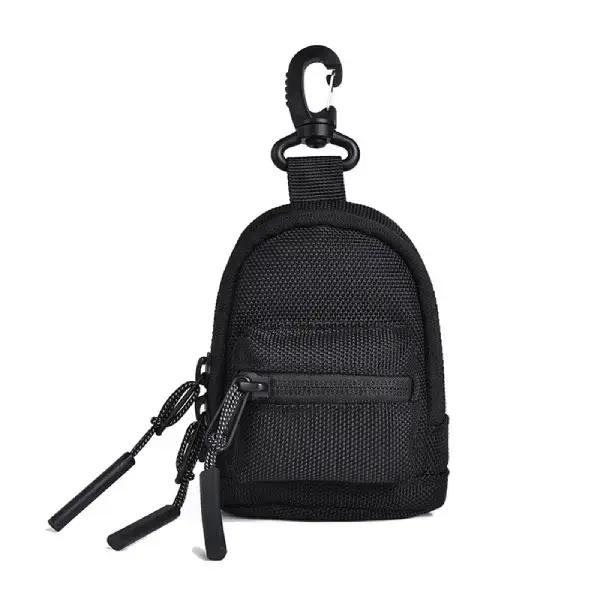
SKU A-4321
| Tag | Textile Material |
|---|---|
| Product Number | A-4321 |
| Category | Accessory |
| Material | Nylon,Polyester |
| Dimensions | 8cm*12cm |
| Color | (Customized Made) |
| Custom Logo | Accept Customized Logo |
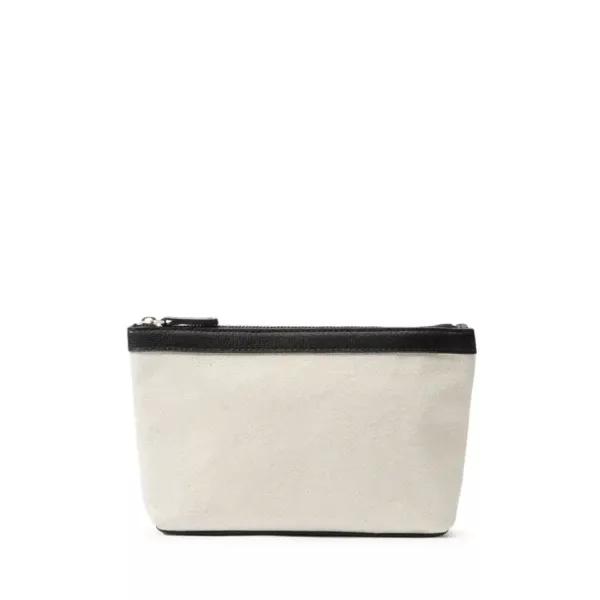
SKU A-5933
| Tag | Textile Material |
|---|---|
| Product Number | A-5933 |
| Category | Accessory |
| Material | Organic Canvas,Light gold hardware |
A leather pouch manufacturer works with a narrower set of shell materials than a textile bag factory, but the differences between those materials are sharper. The industry reference separates leather, synthetic leather, and coated composites. Each behaves differently in cutting, sewing, edge finishing, and daily use. A buyer who picks material by name alone often misses the construction consequences.
Leather is a natural material with variable thickness, temper, and surface consistency. The reference notes that bag use requires control of thickness, temper, colorfastness, surface consistency, and edge treatment. That is five separate specification decisions before a single pouch is sewn. Synthetic leather, by contrast, is a coated composite. Common systems use polyurethane or polyvinyl chloride on a textile backing. It arrives on rolls, cuts predictably, and costs less, but it does not age the way leather does.
Say a buyer wants a small zip pouch for a premium skincare set. Leather gives the unboxing feel they want, but the edge treatment matters more than the hide. A raw cut edge looks unfinished and frays. A folded edge adds bulk in the corners. A painted or heat-sealed edge works on firm temper leather but can crack on soft temper. The same buyer could choose a PU-coated composite and skip edge painting entirely, because the material is cut and stitched like a coated fabric. The cost drops, but the product tells a different story.
| Material | Good for | Where it fails |
|---|---|---|
| Full-grain leather | Premium pouches, visible patina, structured shapes | High cost, natural scars and thickness variation, edge finishing labor |
| Top-grain leather | Smoother face, more uniform color, mid-to-high tier | Less character than full-grain, still needs edge control |
| PU synthetic leather | Consistent rolls, lower cost, easy printing and embossing | Can peel at high-flex zones, less breathable, no patina |
| PVC synthetic leather | High durability, strong moisture resistance, stiff structure | Heavier, stiffer hand feel, environmental concerns in some markets |
| Coated canvas with leather trim | Hybrid cost structure, textile body with leather accents | Mismatched wear rates between body and trim |
Lamination and backing matter here too. A thin leather can be backed with a reinforcing layer to improve stability and sewing performance. The reference lists backing as a supporting layer bonded or stitched behind the face material. Without it, soft leather can stretch during stitching and the pouch loses its shape. With it, the pouch feels firmer but the hand feel changes. A buyer should specify backing weight and material, not just say “leather.”
A buyer who sources wholesale leather pouches for a fashion accessories line has different constraints than a buyer who needs custom leather pouches for corporate gifts. The specification decisions that actually change the outcome are rarely the same.
Take the fashion buyer first. They care about color matching across a seasonal range, and the reference point for colorfastness is resistance to rubbing, washing, light, and moisture. A pouch that looks right under showroom lighting can bleed onto a white blouse in the rain. This buyer should specify the colorfastness test method and the acceptable grade, not just the Pantone number. They should also lock the temper. Soft temper leather drapes well but collapses in a pouch. Firm temper holds structure but feels stiff. The buyer who skips this ends up with a sample that photographs well and disappoints in hand.
Now the corporate gift buyer. They order in bulk, often with an embossed logo. Their real risk is surface consistency. Natural leather has scars, grain breaks, and color shifts across a hide. The reference is explicit that bag use requires control of surface consistency. This buyer should specify the acceptable defect area per panel and whether scars are allowed on the back panel only. If they choose synthetic leather, the risk shifts to peel resistance at the fold lines. A pouch that is bent during shipping can show cracks at the gusset. The buyer should ask for a flex test on the composite before approving the material.
Third, the travel accessories buyer. They want a pouch that holds up in a washbag or a carry-on. Their concern is cleanability and leak control. The reference distinguishes wipe-clean lining, leak-resistant construction, and leakproof construction. These are not the same thing. A stitched leather pouch with a coated lining is wipe-clean but not leak-resistant at the seams. A welded synthetic leather pouch can be leak-resistant but rarely leakproof under pressure. This buyer should specify the claim level they can legally make. If they want “leakproof,” the pouch needs welded or sealed seams and a tested closure. If they only need “wipe-clean,” stitched construction is fine and costs less.
Some changes to a leather pouch are print-level. Others require new cutting dies, new molds, or new edge tooling. A buyer who does not know the difference approves a quote, then gets surprised when the lead time doubles.
Logo debossing, foil stamping, and screen printing on a flat panel do not change the cutting die. They add a setup step and a per-unit cost, but the pouch pattern stays the same. The same is true for changing the zipper pull color, adding a hang tag, or switching the lining fabric. These are surface customizations. They fit within the existing production flow.
A new pouch shape is different. The cutting die for a curved gusset or a rounded corner is specific to that outline. A buyer who changes the width by ten millimeters may need a new die. That is a tooling cost and a lead-time step. The same applies to a new embossed logo plate. A flat debossing plate is cheaper than a deep 3D emboss mold, but both are physical tooling that must be made before production. A buyer who wants a custom metal zipper pull needs a mold for the pull itself. That is not a print-level change.
Edge painting is a middle case. If the pouch already uses a painted edge, changing the paint color is a material swap, not tooling. But if the pouch was designed with folded edges and the buyer now wants painted edges, the pattern may need to change. The seam allowance changes, the edge skiving changes, and the production line needs different equipment. That is a process change, and it costs like one.
Honest guidance: ask the factory to separate “print-level changes” from “tooling changes” on the quote. A good leather pouch manufacturer will list the die, the mold, and the plate as separate line items. If they do not, ask. A buyer who compares wholesale leather pouches across suppliers should compare the tooling line items, not just the unit price.
The reference gives a clear checklist for this category. Thickness, temper, colorfastness, surface consistency, and edge treatment are the five control points. Each one deserves a pre-production check, not just a final inspection.
Thickness is measured under a stated pressure. A buyer who specifies “1.2 mm leather” without stating the pressure leaves room for interpretation. The same hide can measure differently under different gauges. Lock the measurement method in the specification. Temper is relative softness or firmness. It is not a number. A buyer should approve a physical temper swatch, not a description. The swatch becomes the reference for the production run.
Colorfastness testing should match the expected use. Rubbing fastness matters for a pouch that sits in a handbag against a light-colored lining. Light fastness matters for a pouch displayed in a shop window. Moisture fastness matters for a toiletry pouch. A buyer who specifies all three pays more but avoids a customer complaint. The test method and the acceptable grade should be written into the purchase order, not discussed in an email.
Surface consistency is the hardest to control on natural leather. The reference says bag use requires control of surface consistency. That means the buyer and the factory agree on what a defect is. A scar on the bottom panel may be acceptable. A scar on the front panel may not. The buyer should approve a graded set of panels, from acceptable to reject. The factory then sorts against that set. Without it, every shipment becomes a negotiation.
Edge treatment is the last check. A painted edge should be smooth, not tacky. A folded edge should lie flat without puckering at the corners. A heat-sealed edge on synthetic leather should not show delamination at the fold. The buyer should bend the pouch at the gusset and check for cracks. That is a two-minute test that catches the most common failure in this category.
Finally, claim control. If the pouch is sold as “leakproof,” the buyer needs a test report that matches the stated test conditions. If the pouch is only “wipe-clean,” the marketing copy must not drift into leakproof language. The reference is clear on the difference. A buyer who approves production without checking the claim level inherits the liability later. For buyers comparing this category to other bag types, see how leather makeup bags handle the same edge and lining decisions, or review leather handbags for larger structural parallels. If the pouch is part of a broader textile range, textile makeup bags show the contrast in construction logic. And for buyers still deciding between leather and coated fabric across a full catalog, the wholesale overview lays out the trade-offs at category level.