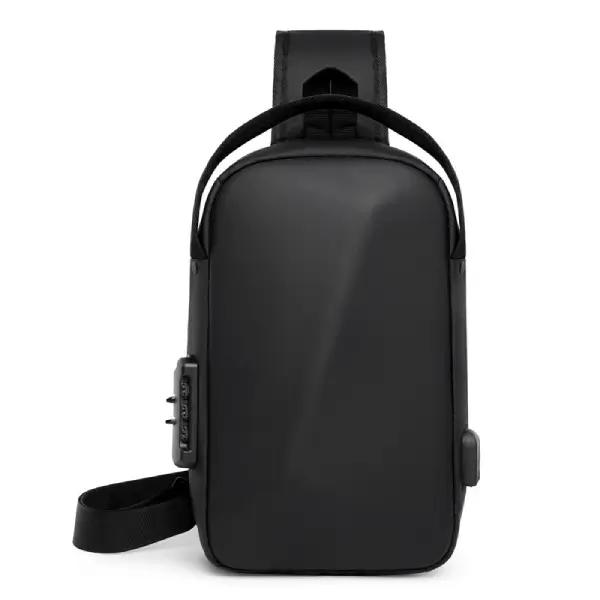
Custom Waterproof Anti-Theft Combination Lock Usb Crossbody Bag Chest Bag For Men
CBB-4177 · Polyester & Nylon
Crossbody, sling and messenger bags for men and women, including anti-theft USB styles and waterproof nylon builds. Wholesale buyers can order existing colors or develop private-label versions.
Low MOQs — contact us · OEM/ODM accepted · [email protected]
CBB-4177 · Polyester & Nylon
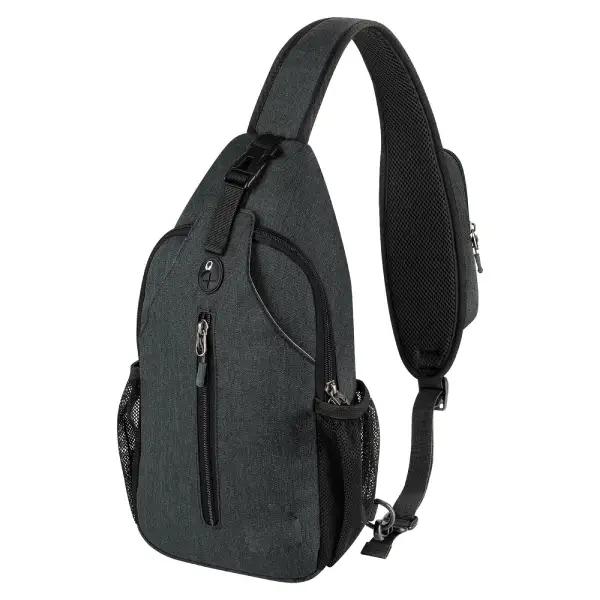
CBB-4183 · Polyester & Nylon
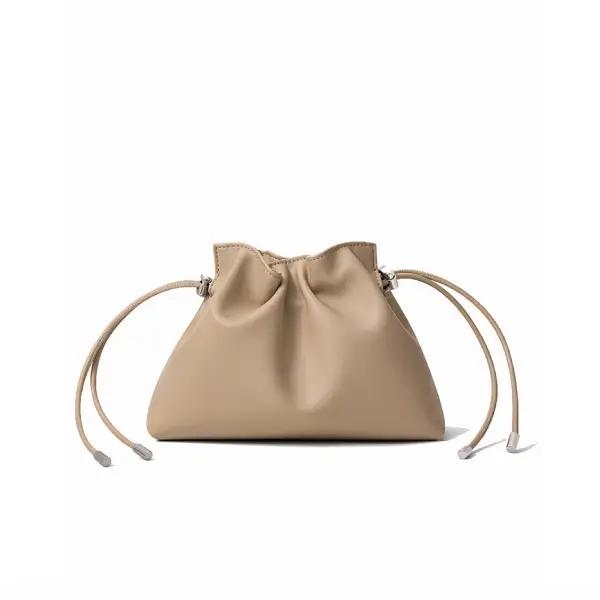
CBB-4212 · Leather & PU
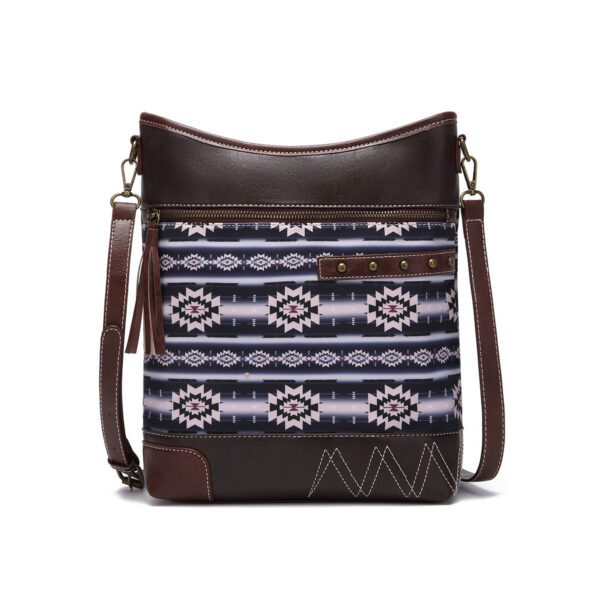
CBB-4705 · Polyester & Nylon

CBB-4896 · Leather & PU

CBB-4929 · Leather & PU
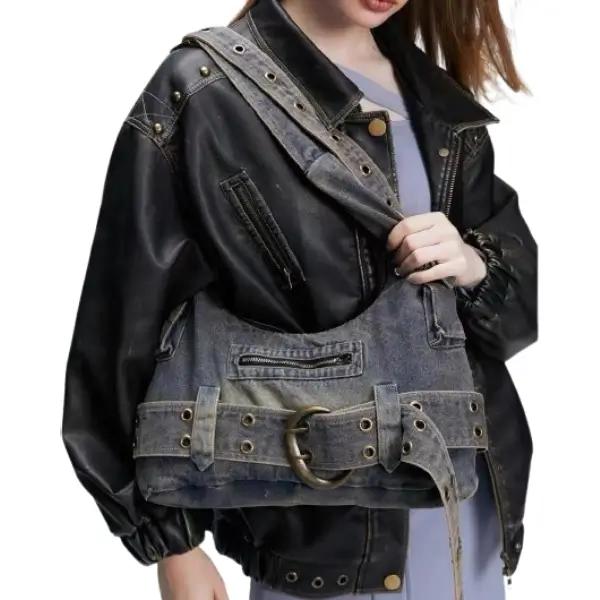
CBB-4937 · Canvas & Cotton
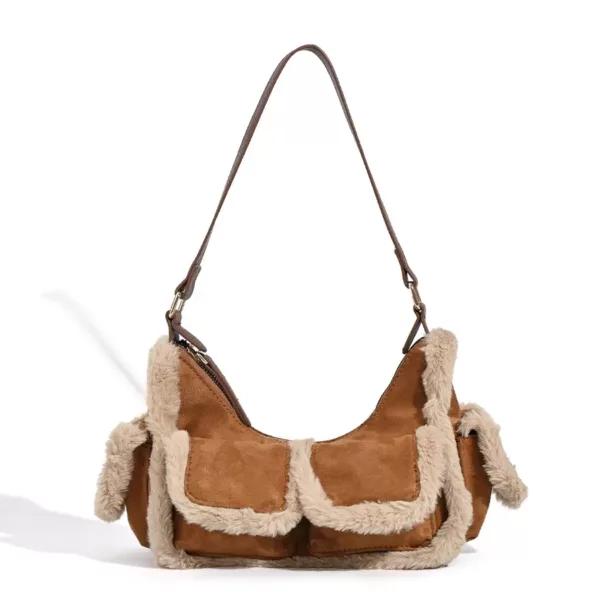
CBB-4950 · Canvas & Cotton

CBB-4993 · Leather & PU

CBB-5504 · Leather & PU
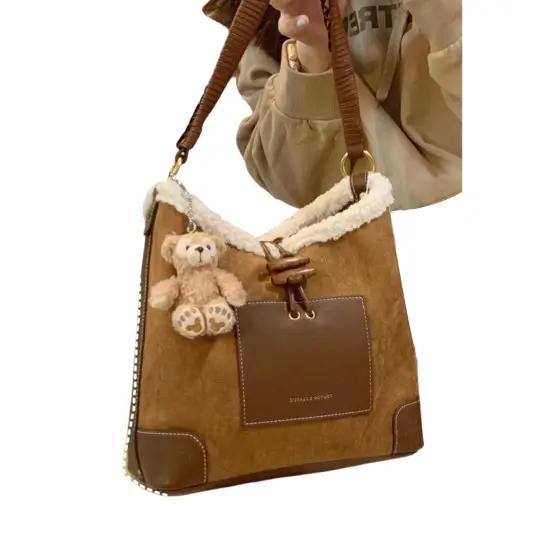
CBB-5621 · Polyester & Nylon

CBB-5625 · Leather & PU

CBB-5629 · Leather & PU
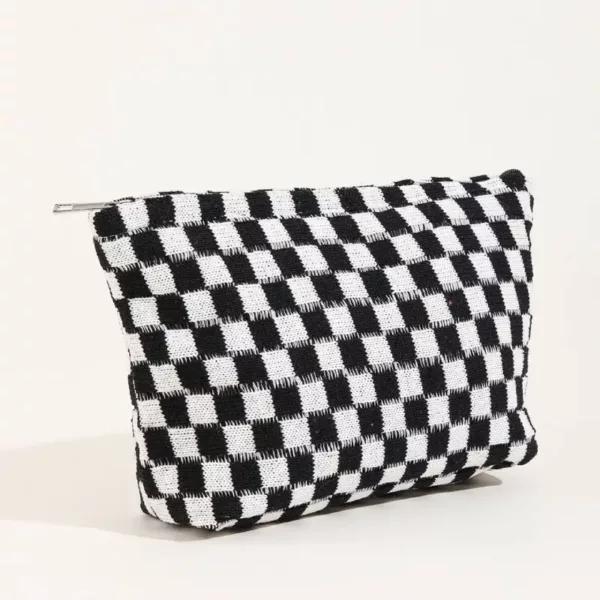
CBB-6149 · Canvas & Cotton
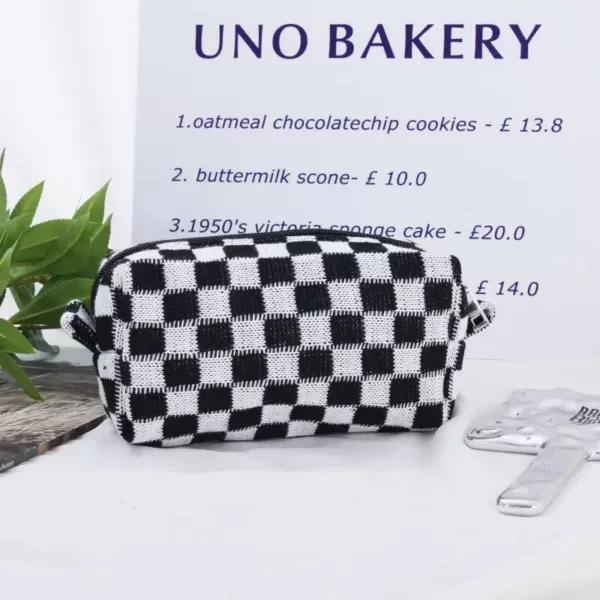
CBB-6161 · Canvas & Cotton
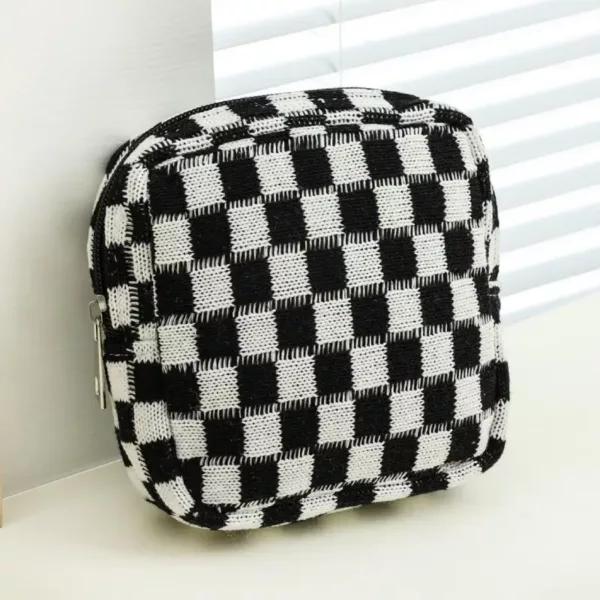
CBB-6172 · Canvas & Cotton
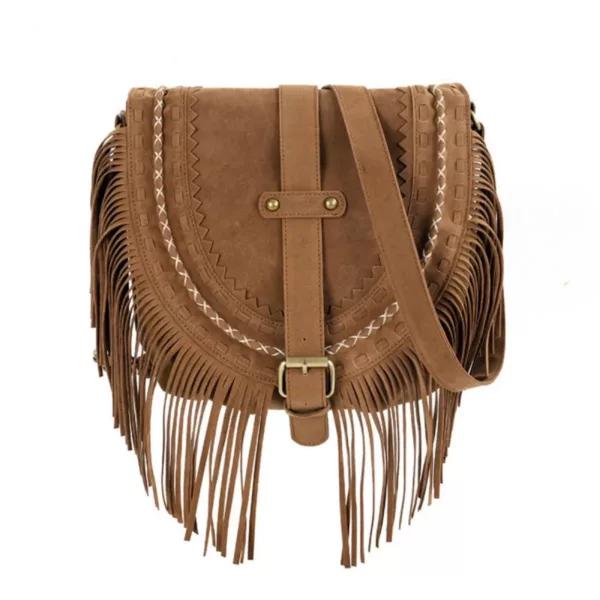
CCB-4738 · Polyester & Nylon
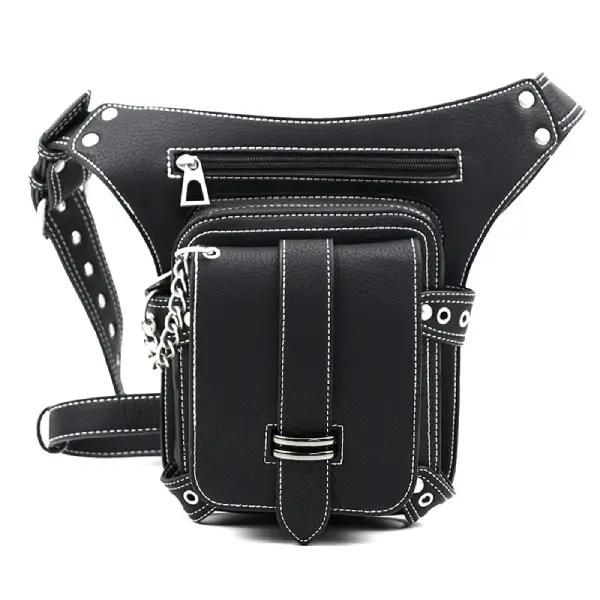
CCB-4802
Women's crossbody purses, mini crossbody bags, men's messengers and chest/sling bags — in leather and vegetable-tanned leather, cowhide, PU, canvas, denim, nylon and cotton. Waterproof multi-color crossbody builds and anti-theft USB styles sit next to soft cotton woven pieces.
Bulk orders: contact us for the exact MOQ per model. Ready-to-ship bestsellers ship in 24–48 hours with mixed styles and colors; private-label versions take the standard OEM route — paid sample 1–10 days, production per model spec. Pantone matching ΔE ≤ 2.0 from 200 pcs per color.
Laser logo from ~100 pcs, woven label ~300, metal plate ~200, heat-press PVC ~500 — full process list on the wholesale terms page. Canvas and heavy-cotton crossbody builds also appear on the canvas bags shelf.
Quote this category with your target quantity, logo process and colors. See wholesale terms.
Crossbody bags wholesale buyers face a material decision that shapes the entire product. The shell fabric determines weight, drape, abrasion resistance, and how the bag looks after six months of daily use. A bag that feels right in a photo can feel wrong on a shoulder. Say a buyer wants a slim travel crossbody that packs flat. A stiff 1200D polyester shell will fight them. A 210T polyester with a light PU coating will fold into a carry-on without creasing permanently. The same buyer, if they sell a workwear crossbody, needs that stiffness to hold a tool pouch shape.
Construction is not just the fabric. It is the seam type, the lining, the edge binding, and the reinforcement at the strap anchors. A crossbody bag carries its load on one shoulder, so the anchor points take asymmetric peak forces every time the wearer bends or runs. The industry reference is blunt: reinforce strap anchors, grab handles, and base seams because these zones receive repeated peak loads. We do not skip this. A buyer who skips it gets returns.
| Material | What it is good for | Where it fails |
|---|---|---|
| Polyester fabric, 210T to 600D | Lightweight everyday bags, promotional crossbodies, printed designs, budget-conscious programs | Lower abrasion resistance at the base corners; can look shiny or cheap in heavy weights if coating is over-applied |
| Nylon fabric, 110 to 280 g/㎡ | High strength-to-weight, packable travel crossbodies, bags that need to survive being stuffed into luggage | Higher cost than polyester; can stretch under sustained load if the weave is loose; coating choice matters for water resistance |
| Canvas, 8 to 15 oz | Structured everyday bags, heritage styling, bags where the buyer wants the fabric to age visibly | Heavier than synthetics; cotton canvas absorbs moisture and can mildew if stored damp; colorfastness varies by dye method |
| Cotton duck | Firm, smooth-faced bags that need to hold a rectangular shape without a separate frame sheet | Limited drape; hard to use for slouchy or packable designs; weight climbs quickly above 12 oz |
| Ripstop fabric | Ultralight crossbodies, outdoor and festival bags, any design where a small tear must not run | Visible grid texture turns off buyers who want a smooth face; not a substitute for proper seam reinforcement |
| Synthetic leather | Fashion crossbodies, vegan programs, bags that need a leather look at a lower price point | PU and PVC coatings crack over time with flexing; colorfastness and surface consistency require tight supplier control |
Linings matter as much as shells. A 210T polyester lining is the default. It is cheap and light. A buyer who sells a crossbody for electronics may want a nonwoven or EVA film liner for wipe-clean performance. The industry reference lists polyethylene vinyl acetate film as a cleanable liner option. That is not a premium upsell. It is a functional choice for a specific use case. Ask what the buyer's customer carries. A lip balm and a phone need a different interior than a lunch container that leaks.
A crossbody bag manufacturer sees three recurring buyer situations. Each one needs a different specification approach. The mistake is treating them the same.
First, the brand buyer who sells direct to consumer online. This buyer lives and dies by photos and unboxing. They should specify the hand feel of the shell fabric, the stiffness of the strap webbing, and the exact zipper pull shape. A bag that photographs well but feels cheap gets returned. This buyer should request a pre-production sample with the exact bulk materials, not a proto sample made from whatever fabric was on the shelf. The industry reference defines a pre-production sample as one made with intended bulk materials and approved methods. That is the sample this buyer cannot skip.
Second, the corporate or promotional buyer who needs five hundred units with a logo for an event. This buyer cares about lead time and unit cost. They should specify a simple construction with a single main compartment, a standard polyester shell, and a printed or woven label. Every extra pocket adds sewing time. Every custom zipper pull adds tooling. The specification should freeze the logo placement, the Pantone reference, and the packaging type early. Change control exists for a reason. A buyer who changes the logo color after the strike-off is approved adds days, sometimes weeks.
Third, the outdoor or travel gear buyer who sells through specialty retail. This buyer needs load management and durability. They should specify a frame sheet or semi-structured body if the bag will carry a water bottle and a tablet. The industry reference says dense items should sit close to the back panel to reduce use and load sway. A crossbody with a floppy body will swing forward when the wearer walks. That is a design failure, not a materials failure. This buyer should also specify a hip belt or a sternum strap if the bag is over ten liters. Most crossbody bags do not need them. Some do. The specification must say which one this product is.
A fourth situation appears less often but matters. The buyer who wants a crossbody for a specific device, like a 13-inch laptop or a 17-inch gaming machine. They should specify the exact internal compartment dimensions, not just the screen size. A 13-inch laptop fits in a 30 by 22 by 8 centimeter sleeve. A 17-inch needs 40 by 30 by 12. The bag's outer dimensions must accommodate the sleeve plus padding. If the buyer does not specify the device model, the factory guesses. Guesses produce returns.
Not all customization is equal. Some changes are free or nearly free. Others add tooling charges and weeks to the schedule. A buyer who understands the difference negotiates better.
Customization that does not change tooling includes fabric color selection from an existing mill range, printed logo placement, woven label design, zipper pull color from a standard palette, and packaging choice among the six standard options. These changes use existing patterns and existing hardware. The cost impact is mostly in setup time and minimum order quantities for dyed fabric or printed labels. A buyer can change the lining color from black to gray without adding a day to the lead time, assuming the mill has the gray in stock.
Customization that changes tooling includes a new zipper pull shape, a custom buckle, a molded logo plate, a new strap adjuster, or a bag shape that requires a new pattern. A custom metal logo plate needs a mold. A custom zipper pull needs a die. These are one-time costs that get amortized across the order. The more units, the lower the per-unit tooling cost. A buyer ordering five hundred units should avoid custom hardware. A buyer ordering ten thousand units can justify it.
Some changes sit in a gray zone. Adding a second zippered pocket to a flap crossbody changes the pattern. That is a new pattern, not a modification. It adds sampling time and may change the marker efficiency. The industry reference defines marker efficiency as the percentage of material area used by pattern pieces. A poorly nested pattern wastes fabric. A buyer who adds a pocket without re-nesting the pattern pays for waste. A good factory re-nests. Ask whether the pattern is re-nested after a change. If the answer is vague, find another supplier.
Embroidery is another gray zone. A simple logo on the front flap uses an existing embroidery file and standard thread. That is fast. A large embroidery that runs over a seam or a zipper needs a new hoop and possibly a backing patch. That is slower and costs more. The buyer should specify embroidery placement relative to seams, not just relative to the bag center. A logo that crosses a seam will pucker unless the factory adds a reinforcement patch. The industry reference lists reinforcement patches as an additional material layer at high-stress seams. This is exactly that situation.
For buyers exploring specific models, the construction differences show up quickly. A structured flap crossbody like CBB-4183 has different pattern needs than a soft hobo crossbody like CBB-5625. Compare the two and the tooling implications become obvious. A buyer who wants a boxy camera bag shape should look at CBB-5504 and note where the frame sheet sits. That frame sheet is a specification decision, not an afterthought.
Approving production without a checklist is how a good sample becomes a bad shipment. Crossbody bags have specific failure points. Check them in order.
First, check the strap anchors. The industry reference is explicit: these zones receive repeated peak loads. Pull on the strap at the top anchor and the bottom anchor. Look for seam slippage, fabric tearing, or hardware deformation. The test is simple. Sew a strap anchor, attach a weight, and cycle it. The exact weight and cycle count are fixed in the approved specification. Do not skip this because the sample looks fine. A sample that passes a hand pull can fail after five hundred cycles.
Second, check the zipper operation across the bag's curves. A crossbody flap zipper runs along a curved edge. If the zipper tape is too stiff or the curve radius is too tight, the slider catches. Open and close the zipper twenty times on the sample. Do it fast. Do it with the bag full. A zipper that works empty can bind when the load pushes against the tape from inside.
Third, check colorfastness if the bag uses a dark lining or a bright shell. The industry reference defines colorfastness as resistance to color change during rubbing, washing, light exposure, or moisture contact. A red lining that bleeds onto a white phone case is a return. Request a crocking test on the lining and the shell. The test method and pass criteria are fixed in the specification. If the buyer plans to sell the bag as water-resistant, check the coating adhesion too. A PU coating that flakes off after folding is a materials failure.
Fourth, check the claim language. A buyer who wants to say "water-resistant" on the hang tag needs test data to back it. A buyer who wants to say "waterproof" needs a different construction entirely, with welded seams and waterproof zippers. The industry reference distinguishes between a PU coating and a TPU lamination. One sheds light rain. The other can survive immersion. Do not let marketing language drift ahead of the construction. The specification sheet should state the performance claim and the test method that supports it. If the claim is not in the spec, it does not exist.
Fifth, check the AQL inspection plan. The industry reference defines AQL as the acceptance quality limit used with a sampling plan. The buyer and factory must agree on the AQL level, the defect classification, and the sample size before production starts. A critical defect on a crossbody bag is a broken strap anchor or a zipper that separates. A major defect is a misaligned logo or a crooked seam. A minor defect is a loose thread. Each class has a different acceptance number. If the buyer does not know these numbers, ask the factory to explain them. A factory that cannot explain its own AQL plan is not a factory you want making your crossbody bags.
Finally, check the golden sample. The industry reference defines it as the approved physical reference for production workmanship. Keep one. Sign it. Photograph it. When the bulk shipment arrives, compare every carton against that sample, not against a memory. A buyer who approves a golden sample and then accepts a shipment that differs from it has no one to blame. For a buyer comparing crossbody bag manufacturers, the ones who insist on a golden sample are the ones worth working with. The ones who say "trust us" are not. Look at CBB-4937 and CBB-4993 as reference points for what a controlled crossbody construction should look like. The difference between a good bag and a returned bag is usually in the details a buyer never sees until it is too late.