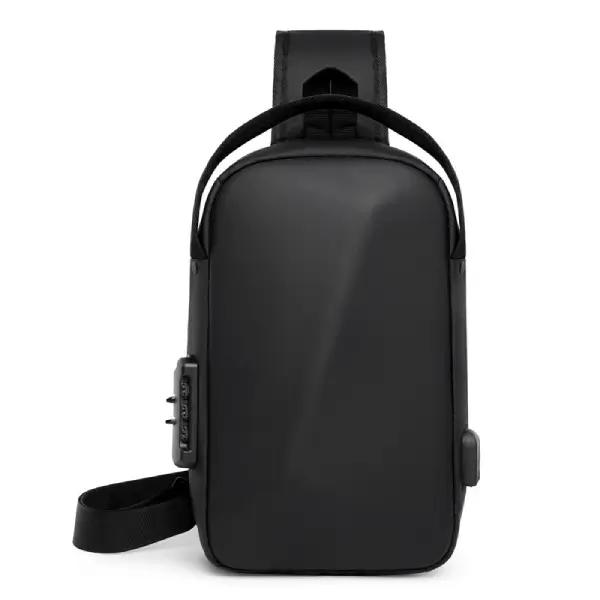
Custom Waterproof Anti-Theft Combination Lock Usb Crossbody Bag Chest Bag For Men
SKU CBB-4177
| Tag | PU/Leather |
|---|---|
| Product Number | CBB-4177 |
| Category | Slings & Crossbody Bag |
| Material | Oxford |
| Dimensions | 21*10*32cm,0.5kg (Customized Made) |
| Color | Custom Logo |
Camytonc · 12 models
Textile Crossbody Bags built to your spec. Every model below is a real factory record — material, dimensions and hardware as produced. Send a SKU number or your own tech pack for a quote.
SKU CBB-4177
| Tag | PU/Leather |
|---|---|
| Product Number | CBB-4177 |
| Category | Slings & Crossbody Bag |
| Material | Oxford |
| Dimensions | 21*10*32cm,0.5kg (Customized Made) |
| Color | Custom Logo |
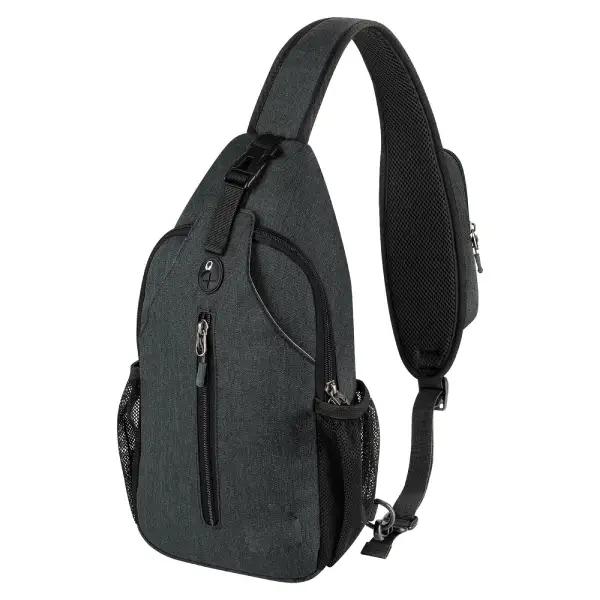
SKU CBB-4183
| Tag | Textile Material |
|---|---|
| Product Number | CBB-4183 |
| Category | Slings & Crossbody Bag |
| Material | Polyester |
| Dimensions | 38*9*18cm (Customized Made) |
| Color | (Customized Made) |
| Custom Logo | Accept Customized Logo |
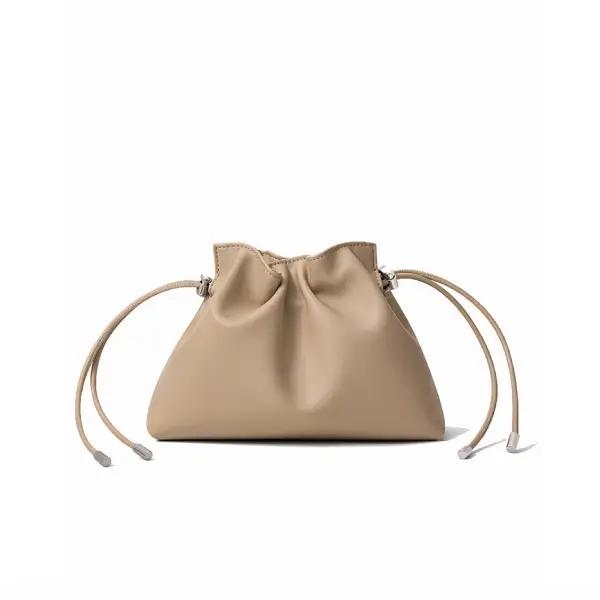
SKU CBB-4212
| Tag | PU/Leather |
|---|---|
| Product Number | CBB-4212 |
| Category | Slings & Crossbody Bag |
| Material | Cowhide |
| Dimensions | 22*6*17cm,0.5kg (Customized Made) |
| Color | (Customized Made) |
| Custom Logo | Accept Customized Logo |
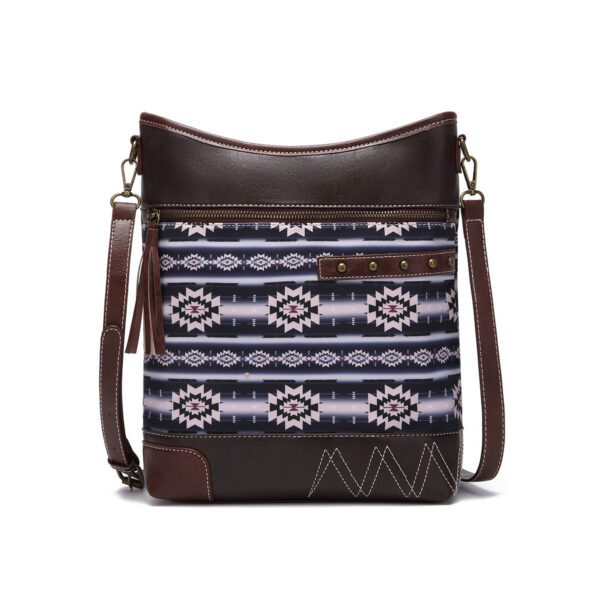
SKU CBB-4705
| Product Number | CBB-4705 |
|---|---|
| Category | Slings & Crossbody Bag |
| Material | Nylon |
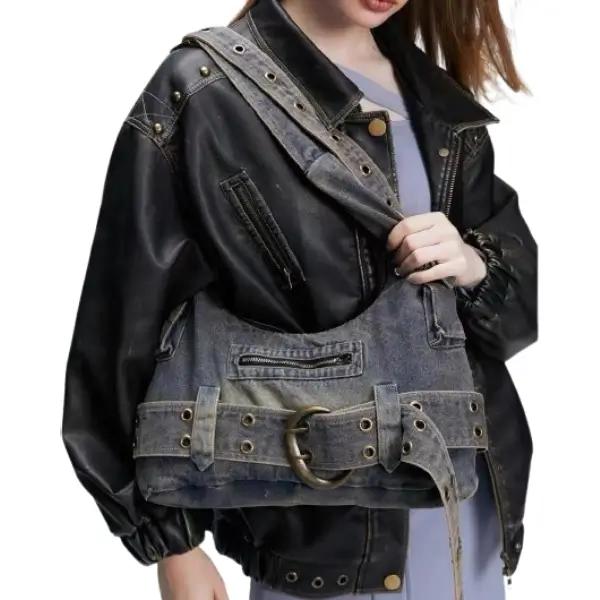
SKU CBB-4937
| Tag | Textile Material |
|---|---|
| Product Number | CBB-4937 |
| Category | Slings & Crossbody Bag |
| Material | Denim Fabric |
| Dimensions | 40(L)*10(W)*26(H) cm, 0.8kg |
| Custom Logo | Accept Customized Logo |
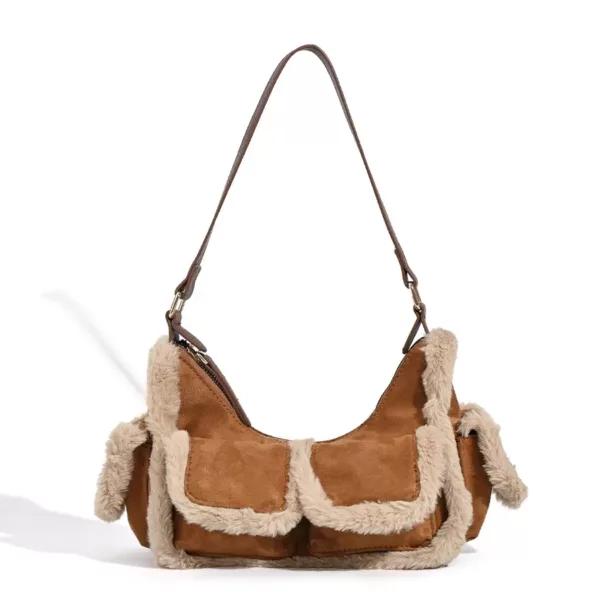
SKU CBB-4950
| Tag | Textile Material |
|---|---|
| Product Number | CBB-4950 |
| Category | Slings & Crossbody Bag |
| Material | Canvas |
| Dimensions | 30(L)*10(W)*13(H) cm, 0.23kg |
| Color | Camel |
| Custom Logo | Accept Customized Logo |
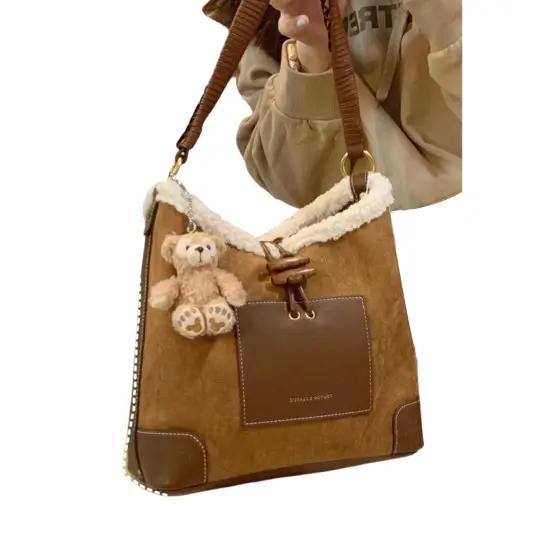
SKU CBB-5621
| Tag | Textile Material |
|---|---|
| Product Number | CBB-5621 |
| Category | Slings & Crossbody Bag |
| Material | Terylene |
| Dimensions | 11.81(L)*4.33(W)*10.24(H) inch |
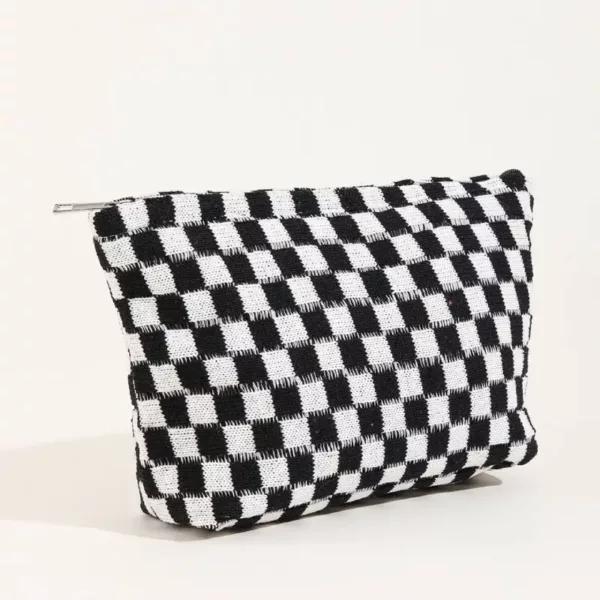
SKU CBB-6149
| Tag | Textile Material |
|---|---|
| Product Number | CBB-6149 |
| Category | Slings & Crossbody Bag |
| Material | Cotton |
| Dimensions | 27 x 6 x 17 cm; 85 g |
| Color | (Customized Made) |
| Custom Logo | Accept Customized Logo |
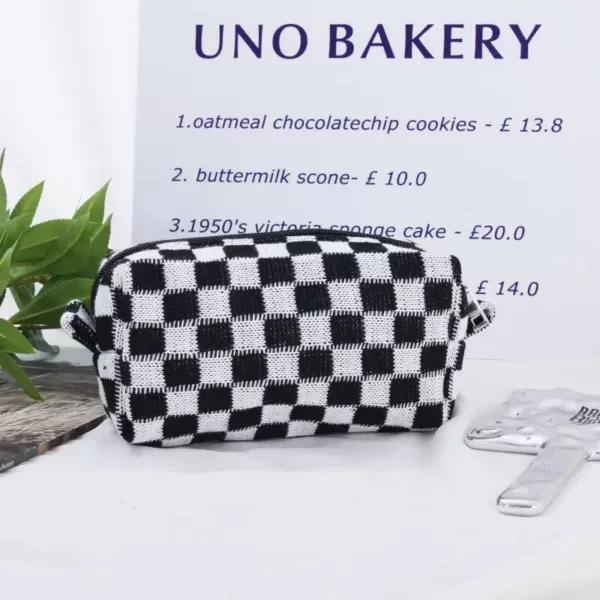
SKU CBB-6161
| Tag | Textile Material |
|---|---|
| Product Number | CBB-6161 |
| Category | Slings & Crossbody Bag |
| Material | Cotton |
| Dimensions | 19 x 7.5 x 9.5 cm; 65 g |
| Color | (Customized Made) |
| Custom Logo | Accept Customized Logo |
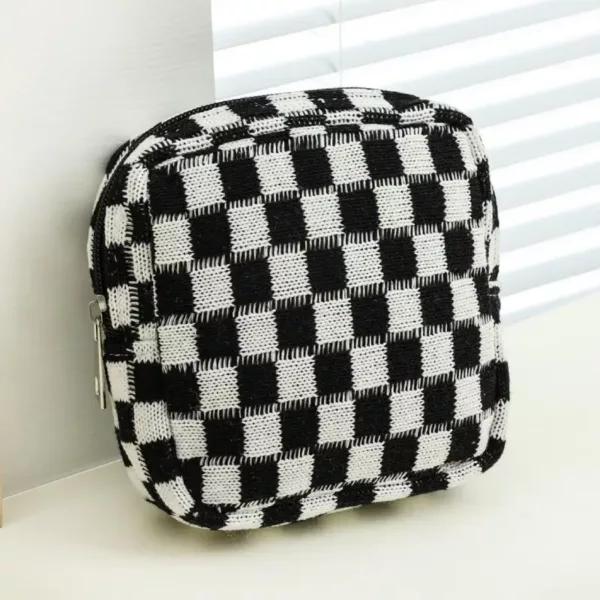
SKU CBB-6172
| Tag | Textile Material |
|---|---|
| Product Number | CBB-6172 |
| Category | Slings & Crossbody Bag |
| Material | Cotton |
| Dimensions | 14 x 3.5 x 14 cm; 40 g |
| Color | (Customized Made) |
| Custom Logo | Accept Customized Logo |
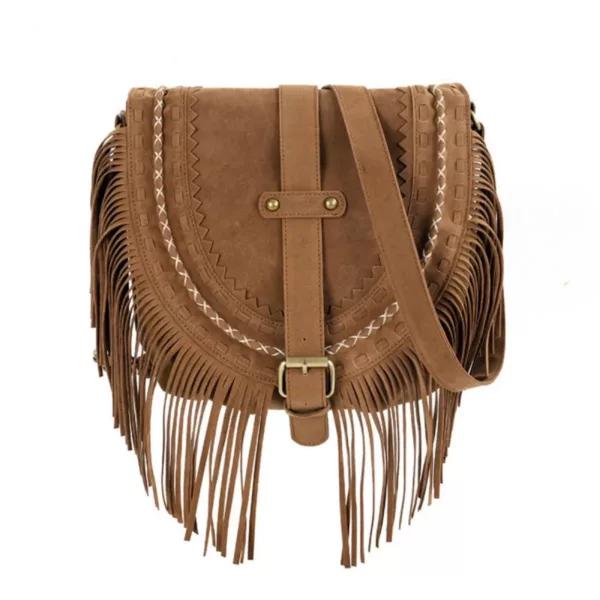
SKU CCB-4738
| Tag | Textile Material |
|---|---|
| Product Number | CCB-4738 |
| Category | Slings & Crossbody Bag |
| Material | Terylene |
| Dimensions | L 11″ x 11.5″ x 2″ |
| Custom Logo | Accept Customized Logo |
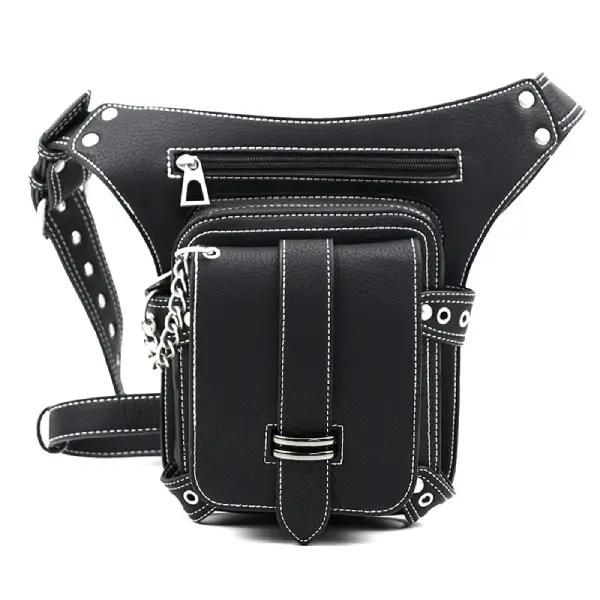
SKU CCB-4802
| Tag | PU/Leather |
|---|---|
| Product Number | CCB-4802 |
| Category | Slings & Crossbody Bag |
| Material | 9.4inch ,Height:7inch(24x18cm) |
| Dimensions | Width:9.4inch ,Height:7inch(24x18cm) |
Choosing a canvas crossbody bag manufacturer means deciding early what the shell will actually be. That single choice drives weight, drape, print quality, water resistance, and how the bag ages. A buyer who specifies only "canvas" will get cotton duck from one factory and a polyester canvas from another. They're not interchangeable.
Cotton canvas has texture and a dry hand. It takes pigment prints well and breaks in with use. It also absorbs water, stains, and loses shape when the structure is too light. Polyester canvas is more dimensionally stable and dries faster. It can feel slick though, and doesn't hold a waxed finish the way cotton does. Nylon is another option when the bag must be light and abrasion resistant. It rarely gives the same visual weight as canvas.
Construction matters as much as fiber. A crossbody with a frame sheet or stiff interlining keeps its silhouette when half empty. A bag without one collapses. Buyers who want a structured front flap need to say so, because the default in many factories is a soft bag with no board. Seam placement also changes the product. French seams are cleaner inside but slower to sew. Bound seams hide raw edges and add cost. A simple overlock is fastest and cheapest, and it's fine for a casual day bag.
| Material | Good for | Where it fails |
|---|---|---|
| Cotton canvas | Pigment prints, structured casual bags, waxed finishes, natural hand feel | Water absorption, staining, weight gain when wet, shape loss without interlining |
| Polyester canvas | Dimensional stability, fast drying, lower cost, consistent color | Slick hand feel, less texture, can look cheaper than cotton at the same weight |
| Nylon | High strength to weight, abrasion resistance, lightweight travel bags | Less visual weight, slippery surface, poor wax or pigment print results |
| Ripstop nylon or polyester | Tear resistance, packable designs, outdoor crossbody bags | Grid texture shows through prints, limited structure without reinforcement |
| Synthetic leather | Leather look at lower cost, easy cleaning, consistent color | Peeling at high flex zones, heat sensitivity, less breathable |
Coating choice is where many buyers underspecify. A polyurethane coating improves water resistance and hand feel. It can crack after repeated flexing though. A PVC coating is tougher and stiffer. It works for bags that need a wipe-clean surface. Waxed cotton sheds water for a while, then needs re-treatment. If the bag is marketed as water resistant, the coating weight and the seam sealing method must be written into the tech pack. Otherwise the factory will make a reasonable choice, and it may not match the buyer's claim.
Lining materials follow the same logic. A polyester taffeta lining is cheap and light. A cotton lining feels more premium but adds weight and can transfer dye. For a crossbody that carries a phone and keys, the lining isn't just cosmetic. It's the first surface that fails when keys wear through a corner.
Say a brand owner wants a small canvas crossbody for a weekend market. The bag is printed, not embroidered. The buyer cares about print clarity and a low landed cost. That buyer should specify a cotton canvas with a pigment print. A simple overlock seam, a lightweight polyester lining, and no frame sheet. The MOQ stays low, the tooling is minimal, and the bag looks good on a shelf. Adding a bound seam or a waxed finish would raise the price without changing the customer's decision.
A different buyer is building a travel crossbody that must hold a passport, a phone, and a small water bottle. This buyer should start with the interior geometry, not the fabric. The phone pocket needs a dimension that matches the largest common device. The bottle sleeve needs a gusset wide enough to open without forcing. A buyer who skips this step gets a bag that technically fits the items but is miserable to use. Nylon or polyester canvas makes sense here because the bag will be wiped down and stuffed into a larger carry-on.
A third situation is a corporate gift or event bag. The order is large, the deadline is fixed, and the logo is the most important feature. This buyer should specify a stable polyester canvas so the logo print is consistent across thousands of units. The construction should be as simple as the design allows. Every extra seam is a place where a rushed line can drift. A frame sheet is unnecessary. What matters is that the logo placement is measured from two reference points, not one. That way the print doesn't wander when the bag is sewn slightly differently.
The same product category, three different specs. A textile crossbody bag supplier cannot guess which one the buyer needs. The buyer has to say what the bag is for, what the customer will notice, and what the customer will never see.
Some changes are nearly free. A color change on an existing fabric, a new webbing color, a different zipper pull, or a printed logo on a flat panel does not change the pattern. These changes move through sampling quickly and don't add tooling cost. A buyer who stays inside the factory's existing construction library can often get a revised sample in days, not weeks.
Other changes look small but aren't. Moving a strap anchor point changes the pattern and the sewing sequence. Adding a gusset changes the cutting layout and the seam allowances. Changing the flap shape from square to curved means a new cutting die. That die has a cost and a lead time. A buyer who asks for a curved flap on a 500-piece order may find that the die cost is spread across too few units to make sense.
Hardware is the fastest way to increase cost without realizing it. A custom metal buckle with a logo requires a mold. A standard buckle in a custom finish requires only a color match. A buyer who wants a custom buckle on a small order pays the mold cost once. That cost is real and it arrives before any bags are sewn. The same logic applies to custom zipper pulls, embossed leather patches, and molded feet.
What about embroidery? It changes lead time more than cost at low stitch counts. A simple logo on the front panel is fast. A large back panel embroidery with dense stitching can slow the line and requires more thread changes. The buyer should ask whether the embroidery is done before or after the bag is assembled. Before assembly is faster and cleaner. After assembly is how mistakes happen.
The honest rule is this: if the change touches the pattern, the cutting die, or a mold, it changes cost and lead time. If it touches only color, print, or a standard component, it doesn't. A canvas crossbody bag manufacturer that says otherwise isn't doing the buyer any favors.
Before a buyer approves a pre-production sample, there are a few checks that catch most field failures. The first is the strap anchor. A crossbody bag is lifted and pulled by its strap hundreds of times. The anchor needs a reinforcement patch or a box-X bartack. The buyer should grab the strap and pull hard in the direction of use. If the fabric puckers or the seam opens, the bag isn't ready.
The second check is the flap or zipper alignment. This is where a factory's workmanship standard shows. A flap that sits crooked by three millimeters is visible on the shelf. A zipper that catches at the corner will be returned. The buyer should open and close the main closure ten times, slowly. Look at the gap between the flap edge and the bag body. The tolerance should be written in the spec sheet. If it isn't, the buyer has no basis to reject a crooked flap.
Colorfastness is the third check. A canvas crossbody rubs against clothing. A buyer who skips the crocking test may get bags that transfer dye onto a white shirt. The test is simple. Rub a dry white cloth against the dyed fabric, then a wet one, and look for color transfer. For bags marketed as colorfast, the buyer should ask for the test method and the rating. The industry reference defines colorfastness as resistance to color change or transfer during rubbing, washing, light exposure, or moisture contact. If the factory cannot state the rating, the claim should not be on the hangtag.
The fourth check is the liner and pocket seams. A phone pocket that's sewn too tight won't hold a phone. A liner that's cut too small will pull the bag out of shape. The buyer should put the intended items into the sample and carry it for an hour. This is a fit sample in the product development sense. It's the cheapest way to find a geometry error before bulk fabric is cut.
Finally, the buyer should confirm the AQL level and the defect classification before the inspection. The industry reference defines AQL as the acceptance quality limit used with a sampling plan. The buyer needs to say what a major defect is for this product. A loose thread is minor. A broken strap anchor is critical. A crooked logo is major, and it matters more on a crossbody than on a duffel because the bag sits at chest height. The buyer who defines these levels before production has a clean rejection path. The buyer who doesn't is negotiating after the fact.
These checks apply whether the order is 500 pieces or 50,000. The difference isn't the checklist. The difference is how early the buyer writes the checklist into the spec sheet. For related constructions, compare textile duffels or textile handbags. If the crossbody leans toward a leather look, see leather crossbody construction. And for buyers evaluating the broader category, the main crossbody page has the full product grid.