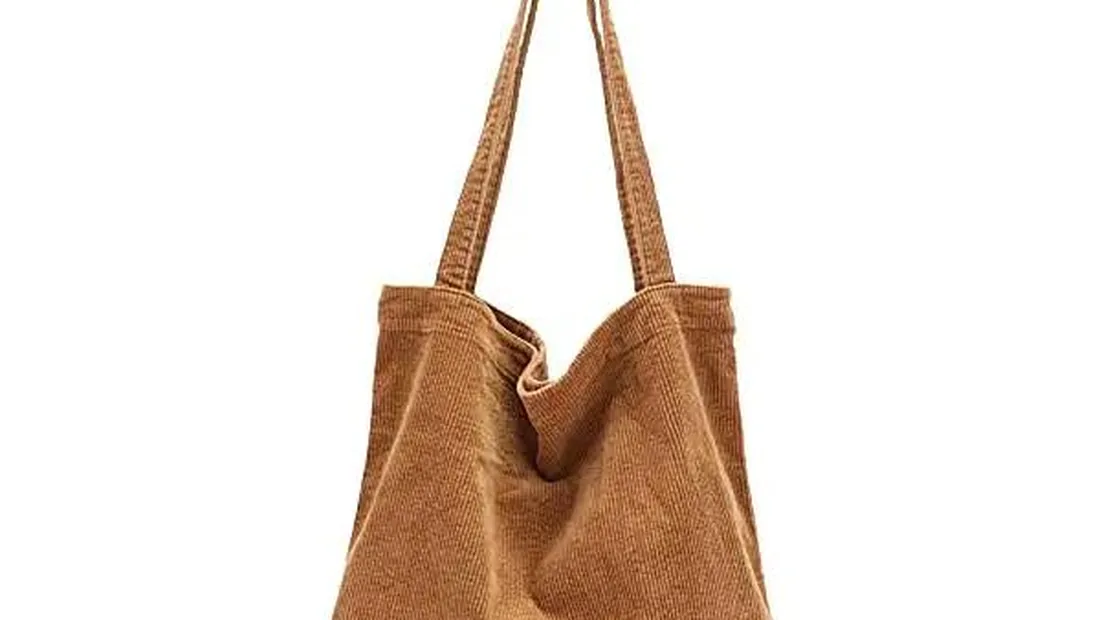
Canvas totes bulk buying splits into two routes that share almost nothing except the word canvas. One is a stock blank pulled off a distributor shelf. The other is a made-to-spec tote built for your brand. Pick the wrong one and you either overpay for a generic bag or wait months for a spec you did not need.
Say a marketing team needs 2,000 totes for a trade show in nine weeks. Stock blanks win. Now imagine a subscription coffee brand that wants a 12oz natural tote with a gusset deep enough for two bags of beans, a woven label, and a handle drop that clears a shoulder in a winter coat. That is not a stock item. That is a spec, and it needs a factory.
What Buyers Actually Mean by Canvas Totes Bulk
The phrase covers two supply routes.
Route one: stock blanks. A distributor holds inventory in a handful of sizes and colors. You pick from the grid, add a print, and ship. Fast, cheap per unit, and completely limited by what sits in the warehouse. Color, size, handle type and fabric weight are whatever they bought last season. Nobody is cutting a new pattern for you.
Route two: made to spec. A factory cuts to your dimensions, your fabric weight, your handle geometry and your decoration. You control the gusset depth, the base structure, the label placement, the stitch density on stress points. You also own the minimums, the sampling, and the timeline.
Which fits? Promotional giveaway volume usually goes route one. A retail program, a subscription box insert, a hotel or spa amenity, or anything carrying a brand that has to look the same in eighteen months, goes route two. The retail buyer cannot reorder a stock blank next year and get the same hand feel, because the distributor's source may have changed.
If the plan is to sell the bag, or to make it part of a product, spec it. If the plan is to hand it out, buy blanks and move on.
Fabric Weight First: 8oz, 10oz, 12oz and Beyond
Canvas is a plain-woven fabric, usually cotton or a cotton blend, and it is sold by weight. In the US trade that means ounces per square yard. In metric markets the same fabric is quoted in grams per square meter. Canvas tote bags bulk on a spec sheet will carry one number or the other, sometimes both.
Weight bands do different jobs.
| Weight band | Structure and drape | Print surface | Where it fits |
|---|---|---|---|
| 8oz | Soft, folds flat, light in the hand | Screen print sits clean on a smooth face; heavy ink coverage can stiffen the panel | Giveaways, lightweight retail, packable totes |
| 10oz | Middle ground: holds a shape but still drapes | Accepts most decoration methods without distortion | General retail, subscription inserts, event bags |
| 12oz | Firm body, stands up when set down | Embroidery and heat transfer both behave; screen print needs the right ink system | Premium retail, structured totes, repeated use |
| 15oz and heavier | Rigid, board-like, minimal fold | Decoration sits on a dense face; stitch and needle selection matter more | Work totes, heavy-load carry, brand statements |
A heavier shell is not automatically the right pick. Heavier canvas costs more per yard, cuts and sews slower, and packs into a bigger shipping carton. It also can look stiff on a lightweight product. Match the weight to the load and the message, not to a feeling that thicker equals better.
Weight alone does not tell you finished strength. Fabric count, yarn size and weave sit alongside it. Two 12oz canvases from different mills can behave differently in the hand and on the needle. Ask for the construction, not just the ounce number.
Two questions to settle before bulk, never after. First, colorfastness: how does the dyed canvas behave under rubbing, washing, light and moisture? Second, shrinkage: does the fabric move after the first wash, and does the spec account for it? Both belong in the approved specification, and both are cheap to test at the lab dip stage and expensive to discover on a pallet.
Building the Canvas Tote Spec Sheet
This is the document none of the stock-blank pages will teach you, and it is the one that decides whether the bulk run matches the sample.
A factory works from a document set, not a single sheet. The tech pack is the controlled specification: dimensions, materials, construction, artwork, labels, packaging and test requirements. The bill of materials lists every material, component, quantity, color and supplier reference for one bag. The specification sheet defines dimensions, tolerances, materials, workmanship, performance and packaging. The color standard is the approved physical or digital reference used to judge production color.
Pin these measurements down before you ask for a quote:
- Body width, height and depth, with tolerances
- Gusset depth, and whether the base carries a board or reinforcement patch
- Handle length and handle drop, measured from the top edge to the highest point of the arc
- Critical dimensions, meaning any measurement that affects fit, function or component compatibility
- Stitch density on handle attachments and top seams
- Label type, size and placement
Tolerances deserve a sentence of their own. A tolerance is the permitted variation from a nominal value. Every measurement on the sheet needs one, or the inspection has nothing to measure against.
Then the acceptance criteria. Workmanship standard is the documented list of what passes for sewing, trimming, cleanliness, symmetry and assembly. Defect classification sorts findings into critical, major and minor by risk and product impact. AQL, the acceptance quality limit, works with a sampling plan to set inspection sample size and acceptance numbers. The exact sampling values belong in the approved specification, agreed before production, not argued about at the port.
Change control closes the loop. It is the documented approval process for revisions to materials, patterns, construction, artwork, tests or packaging. Without it, a mill substitution or a print tweak happens quietly and the bulk run drifts from what you signed.
Handles, Closures and the Details Buyers Forget
Handle construction changes cost and stress points more than most buyers expect.
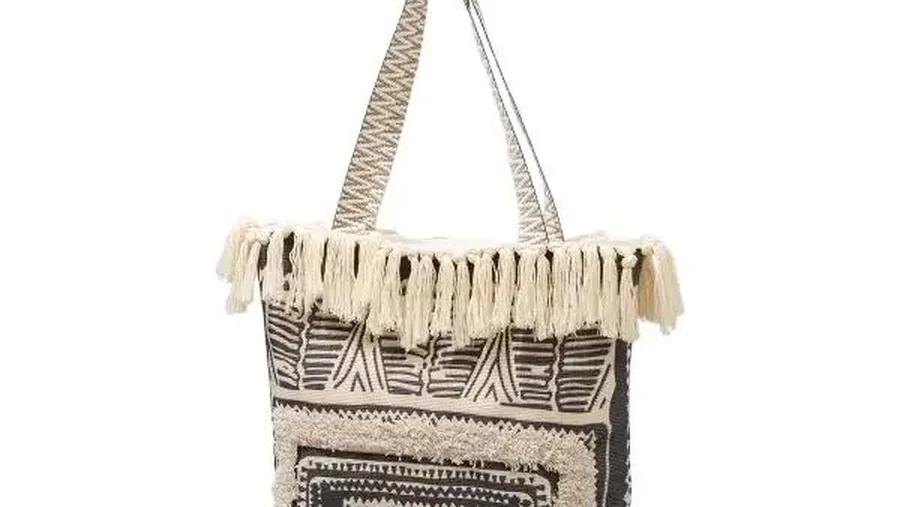
Webbing handles are the workhorse: strong, uniform, quick to attach. Self-fabric handles are cut from the same canvas, so they match the body but wear faster at the fold. Rope handles give a softer grip and a more casual look. Reinforced handles add a patch or extra stitching at the attachment. Extended handles lengthen the drop for shoulder carry.
Where the handle meets the bag is where failures start. A box-X stitch at the anchor, or a reinforcement patch behind it, is the difference between a tote that survives a year of groceries and one that tears at month three. Ask how the anchor is built.
Structure and closure options to decide early:
- Open top, zipper top, or a fold-over flap
- Gusset depth, and whether the gusset is sewn flat or expands
- Base board or plastic sheet for rigidity
- Interior pocket, slip or zipped
- Reinforcement patches at handle anchors and corners
Decoration is the other half of the decision, and it is not independent of fabric weight. Screen printing forces ink through a prepared screen and suits solid colors and repeat production when the ink system matches the substrate. Digital textile printing deposits inkjet artwork and handles detail and shorter runs. Dye sublimation turns disperse dye into gas that bonds with suitable polyester surfaces under heat and pressure, which is why it wants a polyester face rather than cotton. Heat transfer applies a prepared graphic with heat and pressure, and adhesion, stretch, wash and abrasion performance all need validating. Embroidery stitches thread into the material for a durable raised design, and on a heavier canvas the needle, backing and stitch density have to be chosen to avoid panel distortion.
Labels count as decoration too. A woven label interlaces the design into the yarn. A printed label carries care, composition, origin, size or identification. A thermal-transfer label prints variable data onto a compatible substrate. Each has a different minimum and a different lead time.
Here is the trap. A print method that looks perfect on a 10oz sample can pucker a 15oz face, and an embroidery file that reads well at 60mm can lose detail at 25mm. Decide weight and decoration together, in the same conversation.
How MOQ Really Works on Canvas Totes
MOQ is not one number for the order. It attaches to a material, a component, a color or a finished product, and the highest of those governs.
That is why a design with three body colors and two print methods rarely has the minimum of a single-color, single-print tote. Each color needs its own dye lot and its own lab dip. Each decoration method carries its own setup. Mix four colors and you have effectively multiplied the minimum, even though the total unit count looks healthy.
Color approval runs in a fixed order. The color standard is agreed first, then a lab dip: a small dyed material sample submitted for approval before bulk. For printed artwork, a strike-off is the printed sample used to approve artwork, color, scale, registration and print quality. Only after both are signed does bulk material get cut.
Before committing to a design, get the minimums in writing, itemized. Ask for the minimum per fabric, per color, per decoration method and per label. Ask what happens if one color falls below its minimum. Ask whether a second print method can ride on the same run. A supplier who answers those four questions in writing is a supplier who has done this before.
Canvas totes sit in the woven-bag family, where cotton canvas carries its own minimum separate from the rest of the catalog. The exact figure is confirmed against the spec, and it moves with fabric, color count and decoration. For a broader view of how minimums are structured across bag categories, the wholesale handbags guide walks through the same logic.
From Spec Sheet to Sample to Production
Sampling is a ladder, and each rung answers a different question.
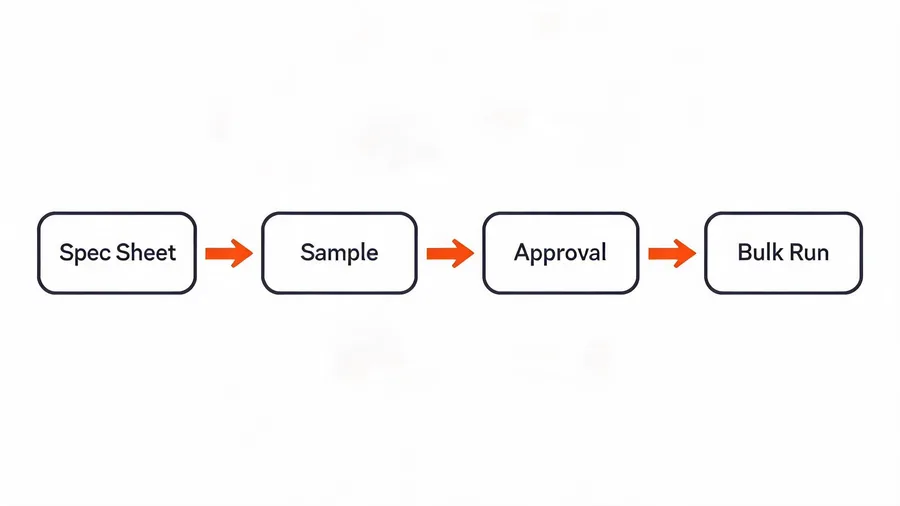
A proto sample evaluates concept, shape, construction and initial dimensions. It is the earliest look at whether the design works at all. A fit sample evaluates wear, access, strap geometry and the ergonomic relationship to the user, which for a tote means handle drop, shoulder clearance and how the bag hangs when loaded. A pre-production sample is made with the intended bulk materials and approved methods, before mass production begins. The golden sample is the approved physical reference used to compare production workmanship and appearance.
Sampling is paid, and it runs roughly one to ten days depending on complexity. A revision round adds two to three days. That range is a general rule of thumb, not a promise: real timing depends on the confirmed specification, material availability and how many changes land at once.
What do you sign off at each stage? At proto, the shape and proportions. At fit, the handle drop and how it carries. At pre-production, the materials and methods as they will actually run. At golden sample, everything, because that bag becomes the measuring stick.
After approval, the bulk run is controlled by materials, methods, inspection points and packaging. The golden sample is the document that settles arguments at inspection. If a debate starts about seam appearance or label placement, nobody argues theory. Someone fetches the golden sample and compares.
For the full category range, including the tote styles that carry these specs, see the canvas bags range and the custom tote bags pages.
What Moves Landed Cost, and What to Inspect on Arrival
Landed cost is not the unit price. It is the unit price plus freight, duty, packaging, inspection and the cost of anything that goes wrong.
The levers you control:
- Fabric weight: heavier canvas costs more per yard and takes more carton space
- Marker efficiency: the percentage of material area used by pattern pieces in a cutting layout, which quietly decides how much fabric you pay for
- Yield: the usable quantity obtained from material relative to input, and where waste shows up
- Decoration method: setup cost, per-piece cost and reject rate all differ
- Packaging format: a color box or dust bag adds cost and cube
- Order consolidation: fewer shipments, fewer landed surprises
Freight mode, port and Incoterms move the landed number far more than a few cents of unit price ever will. Small parcels go door-to-door by DHL, FedEx, UPS or TNT in roughly five to seven working days. Sea freight takes roughly forty to forty-five days. Rail and air sit between them. Those are typical windows, and the real figure depends on the routing quoted with the order.
On arrival, inspect against the golden sample, not against memory. AQL sampling with critical, major and minor defect classes gives the inspection a structure. Critical defects are the ones that make the bag unsafe or unusable. Major defects affect function or sale. Minor defects are cosmetic and within tolerance.
Before the purchase order is signed, the defect and replacement policy should state what counts as a defect, who inspects, at what stage, and what remedy applies: replacement, credit or repair. Ask any supplier for that in writing. Ask for the inspection standard too, and for the sampling plan that goes with it.
Send your spec, dimensions and target weight through the contact page and a quote comes back against the actual construction rather than a guess.
Frequently Asked Questions
Where can I order canvas bags in bulk?
Two routes. Stock blanks come from promotional distributors who hold inventory in fixed sizes and colors, which suits giveaways and short deadlines. Made-to-spec totes come from a bag factory that cuts to your dimensions, fabric weight, handle geometry and decoration. If the bag carries your brand into retail or a subscription program, go the made-to-spec route and start with a spec sheet. If it is a handout, blanks are faster and cheaper.
Where can I find cheap canvas totes?
Cheap usually means lighter fabric, fewer construction steps and stock sizing. An 8oz open-top tote with a single-color screen print and no interior pocket costs less than a 12oz gusseted tote with a base board and a woven label, because it uses less material and fewer operations. The honest lever is the spec, not the supplier. Decide which features the bag actually needs, cut the rest, and ask for a quote against that trimmed spec rather than shopping on a headline unit price.
What fabric weights are canvas totes available in?
Canvas is commonly specified at 8, 10, 12 or 15 ounces per square yard, with grams per square meter as the metric equivalent. Lighter weights drape and pack flat, heavier weights hold structure and stand up when set down. Weight alone does not state finished strength, because fabric count, yarn size and weave all affect how the canvas behaves. Recycled rPET content is available as an alternative to virgin cotton if that matters to your buyer.
How do you write a spec sheet for a custom canvas tote?
Start with the document set: a tech pack for the controlled specification, a bill of materials for every component, a specification sheet for dimensions, tolerances, workmanship and packaging, and an agreed color standard. Then pin the measurements: body width, height and depth, gusset depth, base structure, handle length and handle drop, stitch density at stress points, and a tolerance for each critical dimension. Add the workmanship standard, defect classification and AQL sampling plan, plus a change control process so revisions to material, pattern, artwork or packaging get approved in writing before production moves.